An 18th-century Granary renovation
We got the inside story on this converted 18th century model farm renovation, capturing class and character
Studio BAD worked with assistant TV & film director Jason Rickwood and café owner Fizz Swayne to design a scheme which converts and infills existing open carport space on the ground floor – reimagining the building.
It delivers an additional bedroom upstairs, whilst also extending the living accommodation on the ground floor, ensuring the long-term future of the building for young owners.
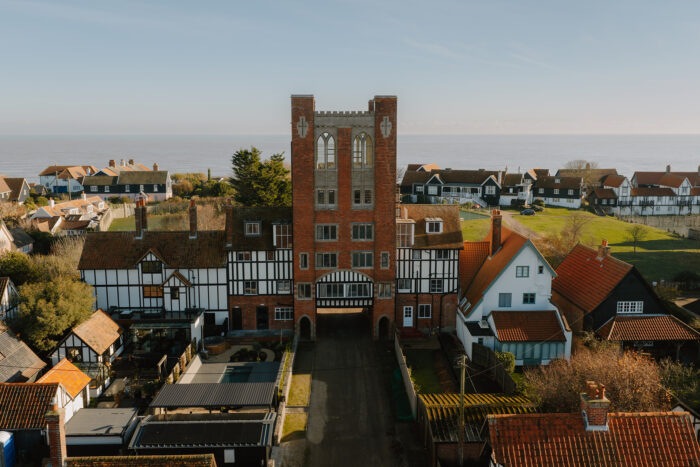
The Granary is part of a late 18th century agricultural homestead model farm, which was designed by the renowned architect Samuel Wyatt in the New Forest National Park.
The inspiration behind the project
Darren Bray, director of Studio BAD architects explains: “The building forms part of a late 18th-century model farm designed by Samuel Wyatt.
“Previously it had been converted in the early 1990’s into a two-bedroom house, but it retained open bays at ground level which the current owners felt were underused and would be of more benefit within the internal space of the home.
“By increasing the internal space, it was possible to reconfigure the plan of the house, allowing all public spaces to be moved to the ground floor, and the first floor to accommodate more private functions, including creating space for a third bedroom.”
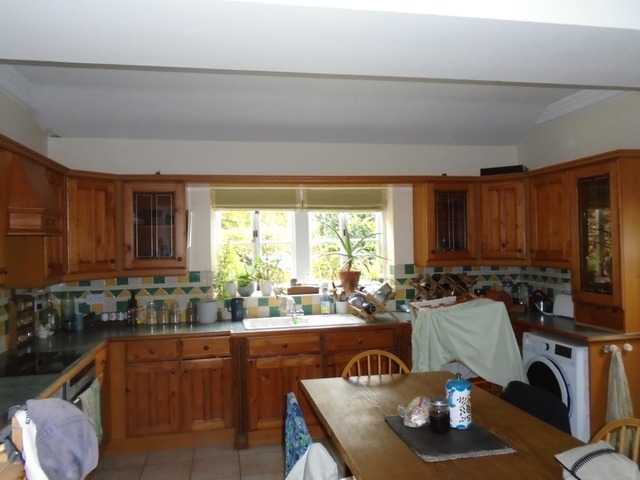
The Granary kitchen before the renovations. Photo: Studio BAD
Build setbacks
No build is without it’s issues and The Granary is no different. From planning permission difficulties to wildlife protection.
Darren explains: “The journey to secure planning permission was not straightforward. Although not listed itself, The Granary sits within the curtilage of a listed building, and it sits within the New Forest National Park, both of which had an impact.
“From the onset we knew it might be a tricky scheme to get the planning permission over the line, as pervious planning applications had stated that the retention of the open bays on the ground level were essential as an intrinsic aspect to the character of the building.”
A design everyone could agree with
“However, from investigating the project, working with planning specialists and talking to the local neighbours and council members, we felt we might be able to design something that everyone could agree on.
“The property itself does not have an individual listed status, but the building is set within the curtilage of a grade II listed farmhouse and barn, which had to be taken into consideration when preparing the design within the sensitive site.
“After the initial planning permission refusal was going to be refused, based on the conservation officers concern over the impact this work would have on the character and appearance of the property, were fined our design.
“At this stage were moved aspects like a Juliette balcony on the first floor, and changing the roof light on the side extension to be flush to reduce its visual impact.
“Unfortunately, this modified design proposal was still going to be refused, which we felt was unfair. So, we took the decision to take it to a committee where members of the Council took their vote, and the permission was granted having won by majority.”
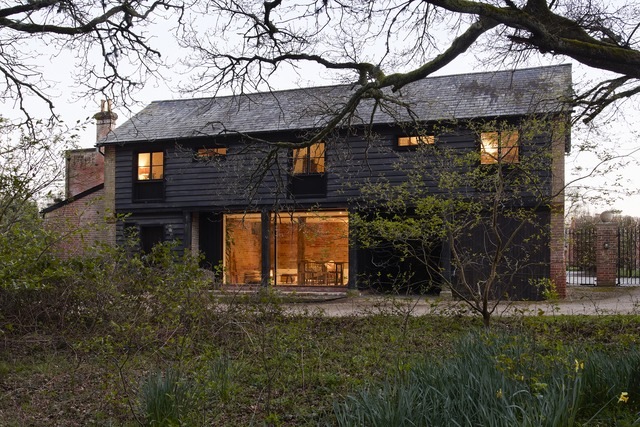
Outside view of The Granary at Dusk. Photo: Studio BAD
A residential property
The property is the full time home of the current owners, who had lived in the property for a few years before deciding to make alterations to it.
Darren adds: “Now they have transformed the property to suit modern living, with additional space to entertain in, and flexibility for additional bedrooms when needed, ensuring the young family are able to stay in the home they love.
“We are really pleased with how the ground floor now feels. Before the space was fairly small and dark, with just the entrance and kitchen.
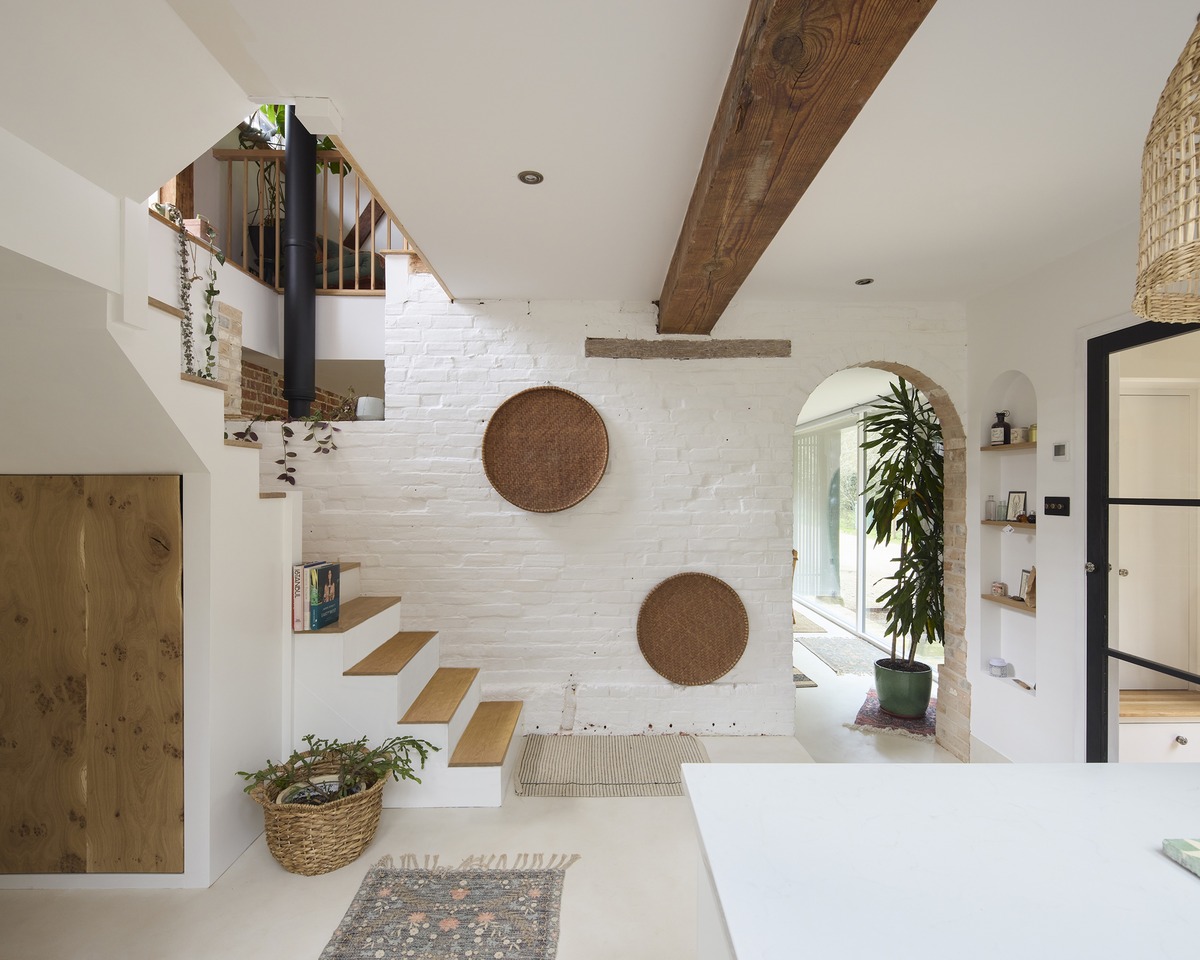
“Since the renovation has been completed the it feels light and spacious, with plenty of room to entertain in. Within the new living space we are especially pleased with how the brickwork has been brought into the interior, creating a really textured feel, highlighting the character of the original architecture.”
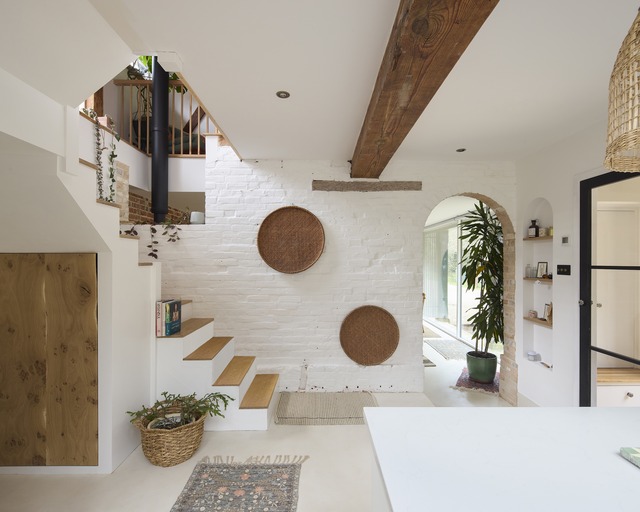
Photo: Studio BAD
Maintaining a balance of original and modern
Darren explains: “The sensitive changes respect the heritage of the building and have transformed the property to suit modern living.
“New additions to the ground floor are deliberately set back from the existing structure and expressed in contemporary glazing, allowing the historic fabric to remain legible. Inside, original brickwork and timber framing are left exposed, while new insertions are kept minimal.”
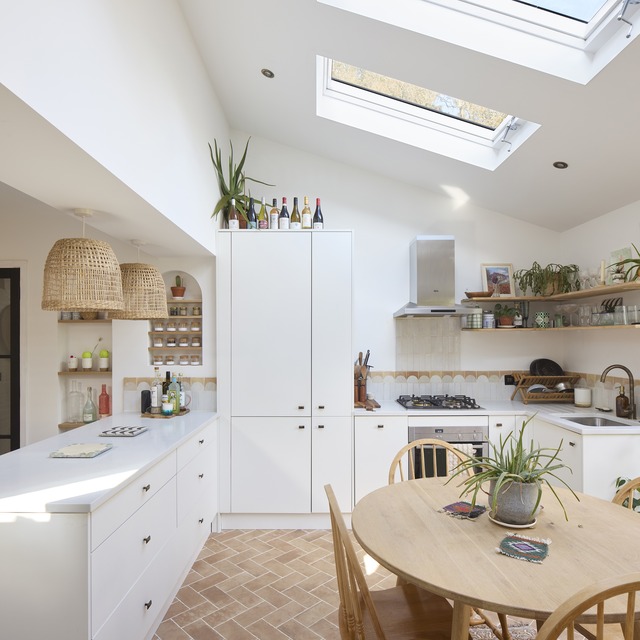
Photo: Studio BAD