

The UK’s eco-renovation movement
How homeowners and self-builders are leading the way
PROMOTIONAL FEATURE
Across the United Kingdom, a quiet transformation is reshaping the landscape of planning and home improvement. While conventional projects, such as extensions, conservatories, and porches, remain common, an increasing number of homeowners and self-builders are now prioritising sustainability at the heart of their renovation plans.
Today’s property owners are embracing environmentally conscious renovations, improving energy efficiency, and redefining what it means to modernise a home. Priorities in home improvement have shifted significantly, with climate adaptation measures becoming an increasingly important factor in decision-making.
The marked rise in planning applications for solar installations over the past five years, alongside a surge in related planning enquiries, signals a national readiness to adopt greener technologies and eco-adaptations.
Whether retrofitting older homes with solar panels, switching to low-carbon heating systems, or enhancing insulation, sustainability considerations are now becoming standard features in planning applications. No longer viewed as niche interests, such initiatives are fast becoming the norm for forward-thinking renovators.
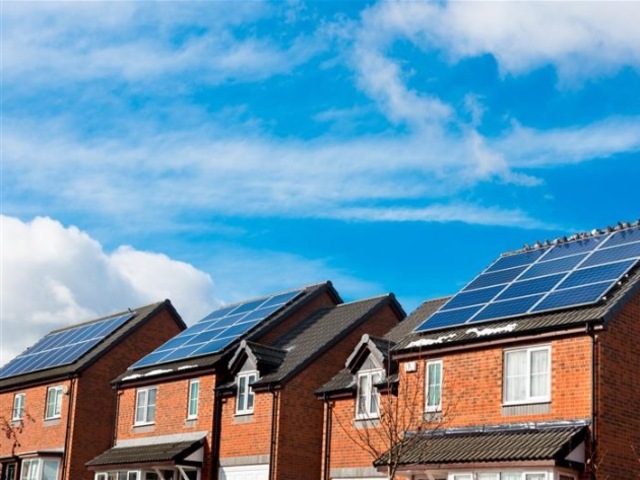
Sustainability begins at home
While it has taken time for sustainability trends to be fully integrated into formal planning and policy frameworks, environmentally conscious homeowners, renovators, and self-builders have long been at the forefront of practical eco-friendly innovation.
This leadership is particularly evident in the adoption of technologies such as:
- Electric Vehicle (EV) chargers
- Heat pumps
Both improvements are now included within permitted development rights, though this has not always been the case. Many early adopters were ahead of legislation, undertaking complex planning applications to implement these upgrades before the regulatory environment caught up. Their proactive efforts laid the groundwork for wider acceptance and normalisation of eco-technologies, making them more accessible to others across the UK.
Looking ahead: The Future Homes standard
Did you know that by 2025, the Future Homes Standard will come into effect? This new regulatory benchmark will require all newly built homes to incorporate features such as:
- Solar panels
- Heat pumps
- Other climate-adaptive technologies
This shift is expected to increase demand for similar upgrades in existing properties. As the construction industry adapts to meeting these new standards at scale, the insights gained may well influence future changes to permitted development rights for existing homes.
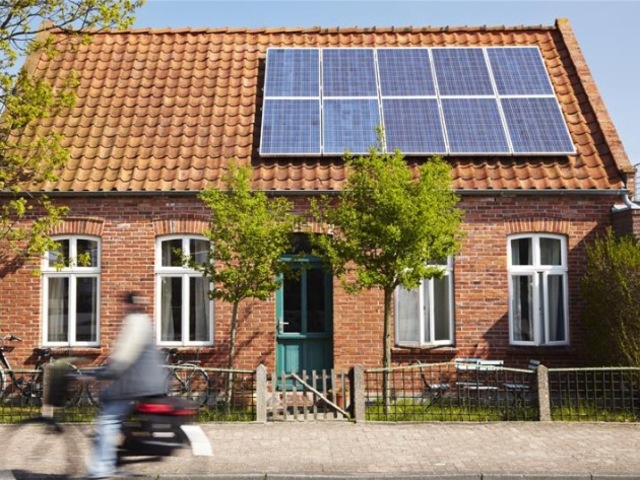
Why homeowners are embracing green renovation
The decision to adopt sustainable home improvements is driven by a combination of motivations, including:
- Reduced energy bills
- Enhanced comfort and liveability
- Compliance with evolving regulations
- Long-term property value preservation
Furthermore, government incentives, such as the Boiler Upgrade Scheme and various local authority grants, are helping to reduce the financial barriers to sustainable upgrades.
Navigating permitted development rights
While many eco-improvements now fall under permitted development, such as solar panels, EV chargers, and heat pumps, misunderstandings about what is and isn’t allowed remain common. These misconceptions can lead to project delays and discourage some homeowners from pursuing sustainability upgrades.
Kiran, an experienced planning professional with the Planning Guidance Service at Planning Portal, highlights the issue:
‘People often don’t realise that even relatively simple changes, like replacing windows, adding a heat pump, or installing a car charger, might require planning consent,’ she explains. ‘Listed buildings, in particular, require sensitive handling. Even roof repairs or boiler installations can be subject to strict regulations.’
In summary, even when a project appears to fall within permitted development rights, nuanced or atypical circumstances may still necessitate a formal planning application.
Legislative progress and easing restrictions
Encouragingly, recent changes to planning legislation are making it increasingly feasible for homeowners to pursue green improvements. For instance:
- In December 2023, updates to permitted development rights in England permitted increased installation heights for flat-roof solar panels and provided more flexibility for ground-mounted panels in conservation areas.
- In May 2025, the Warm Homes Plan introduced further easing of restrictions on heat pumps—removing the 1-metre boundary setback, allowing larger units, and permitting multiple installations on detached properties.
- Simultaneously, the government relaxed planning rules for EV chargers—eliminating the 2-metre setback from highways, increasing allowable height for non-domestic chargers, and permitting associated equipment enclosures.
Despite these improvements, the regulatory landscape can still be complex. Individual project types, property locations, or heritage constraints may require more detailed consideration, and formal planning permission may still be necessary in some cases. In such situations, seeking expert advice before commencing work is the most prudent course of action. Professional guidance can help ensure regulatory compliance, avoid unnecessary costs or delays, and support the successful delivery of sustainable upgrades.

A smarter start for sustainable projects
Innovation in home improvement continues to evolve. Across the country, pioneering homeowners, self-builders, and renovators are pushing the boundaries of what is possible, exploring creative and sustainable solutions within the scope of permitted development. These early adopters are not only shaping the homes of tomorrow but also influencing the evolution of planning policy itself.
This is why starting with informed, expert advice is essential.
Whether your project involves installing solar panels, fitting a heat pump, or undertaking a more complex eco-renovation, thoughtful design begins with effective planning. The Planning Guidance Service from Planning Portal provides personalised, one-to-one support from qualified planning professionals, offering practical, impartial advice tailored to your specific goals.
Set your project on the right track from the outset, with professional guidance that empowers you to build sustainably, efficiently, and confidently.