
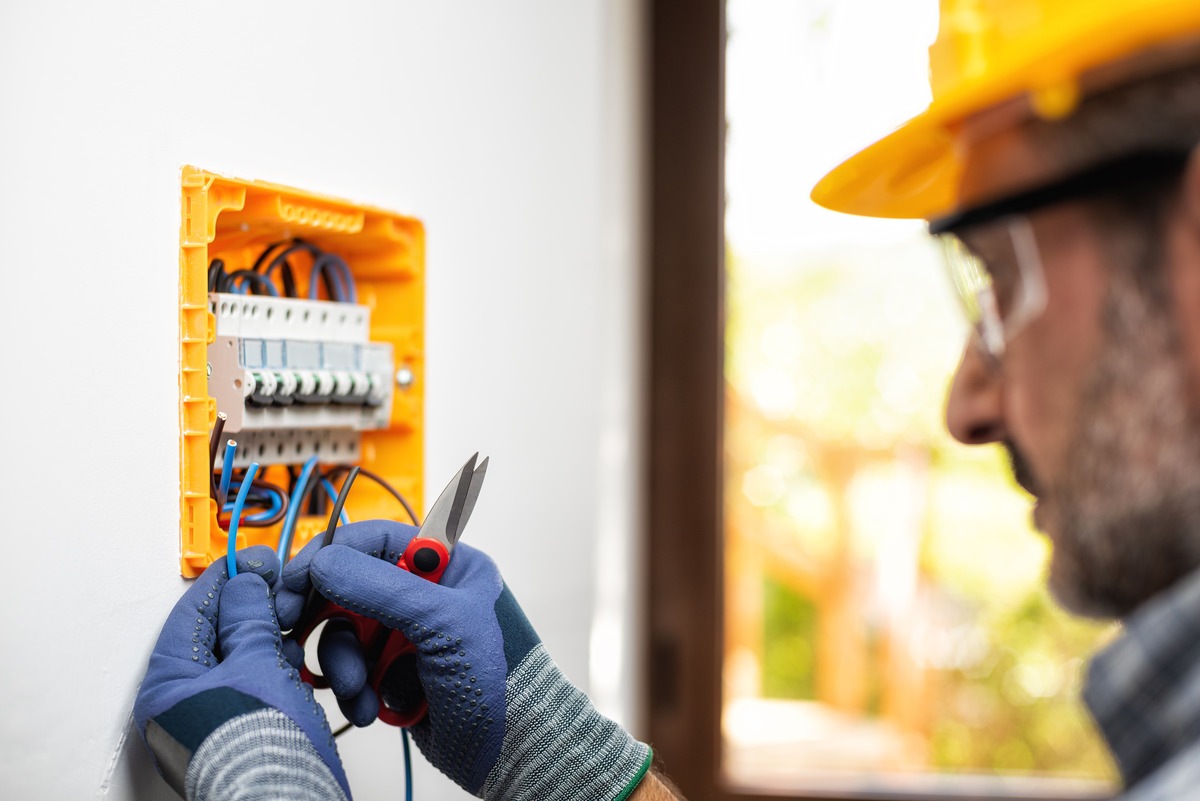
What the new wiring rules mean for your electrical systems
New UK wiring rules came into effect in April 2026 which change how and where particular electrical systems can be installed in homes. We spoke to the experts about how this affects you.
New UK wiring rules came into effect in April 2026 which change how and where particular electrical systems can be installed in homes.
Thankfully, these new wiring rules focus more on modern installations rather than your basic household electrics.
It’s covering EV chargers, battery storage systems, and smart wiring, but will need to be considered if you’re planning to install any of these products or upgrades.
You might have missed it, so we chatted to the experts to clear up exactly what the new wiring rules are – alongside what action you might need to take.
EV Chargers
EV chargers are much more common in homes now than they were ten years ago, or even five years ago to be honest. As more of us move to electric or hybrid vehicles, it’s becoming commonplace to have an EV charger in your home.
This means inevitably home wiring must update to factor this in.
Leighton Davies, co-founder of The Full EV explains: “The updated requirements around EV charger installations reflect how rapidly this technology has moved into mainstream homes.
“The key change that most homeowners will encounter is around load management.
“This is because new installs now need to demonstrate that the additional demands of an EV charger won’t overload the existing consumer unit, or incoming supply.
“In practice, this often means a survey of the existing electrical installation before a charger can go in, and in some cases an upgrade to the consumer unit or supply capacity.
“It will add a step to the process, but it’s the right approach.
“Older properties often don’t have the existing wiring to cope with the continuous demand of an EV charger running overnight – this has to be acknowledged and rectified.”

Photo: Adobe Stock
Battery storage
Another element of the new wiring rules impacts battery storage installations.
This is something else that has advanced very quickly in recent years, and that, as with EV chargers – older homes may not have the wiring fit for purpose.
Leighton adds: “Battery storage installations are now subject to much clearer guidance around where they can be sited within a property and how they must be protected.
“There are now specific requirements around fire separation, ventilation and the protection of escape routes.
“For example, batteries generally shouldn’t be installed in garages that form the primary means of escape from a home. Or, in rooms directly adjacent to sleeping areas without appropriate fire-rated protection.
“For homeowners, this means the location of a battery system needs careful thought at the planning stage – not as an afterthought once the hardware has arrived.”
Smart wiring and consumer units
With smart technology dominating the homes more and more, it was only a matter of time before an integrated home energy system became crucial to ensuring everything is powered up properly.
Leighton explains: “Smart wiring and the move towards more integrated home energy systems.
“Where solar, battery, EV charger and home circuits all communicate with each other – pushing the requirements around consumer units and protection devices.
“Modern installations increasingly need AFDD (arc fault detection devices) alongside the standard RCDs and MCBs, especially where smart systems are involved.
“For homeowners, the honest impact is that a full smart energy set up done properly is more involved and expensive than five years ago.
“However, the safety case for these requirements is solid and the long term reliability of the system is significantly better as a result.”
The broader impact
Any homeowner planning any of these installations in their homes should ensure they use a qualified, registered installer who is up to date with all the latest regulations.
Be careful of people offering a discounted job without the proper notifications and sign off.
The new rules ensure there is much more to assess upfront.
But they also mean the finished installation is safer, more resilient and less likely to create problems for you in the future.
Getting it right the first time is always going to be more affordable and less stressful and than having to fix problems later.
NICEIC encouraging home wiring update
Alongside the new wiring rules, the NICEIC which is the UK’s leading certification and training body for the electrical industry, is urging homeowners to consider if their property might need a rewire.
Outdated wiring can pose both safety risks as well as knock-on financial impacts for the electrical system.
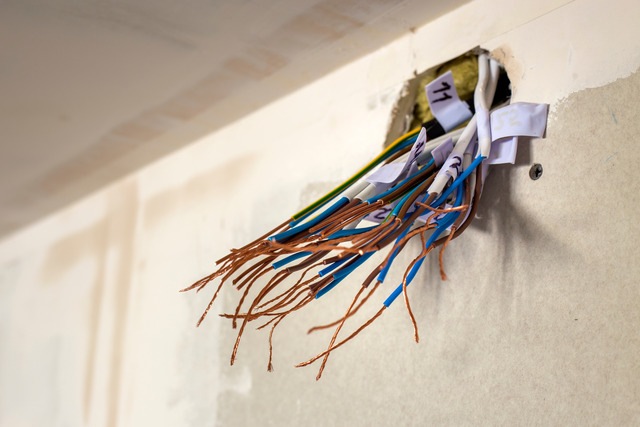
Photo: Adobe Stock
A diverse housing stock
The UK’s housing stock is highly diverse in terms of housing type and age. From Victorian and Edwardian buildings to post-war housing and new builds.
This means many homes remain operating with legacy electrical installations not designed for modern load appliances.
In February 2026, insights from Google Analytics showed 2,600 searches for ‘how to rewire a home’ suggesting many homeowners are concerned about the issue.
While it’s tempting to investigate yourself, for electrical work it’s always best to hire a professional.
How will I know if my home needs rewiring?
The signs that your property might need rewiring include circuit breakers or RCDs tripping, blown fuses, flickering lights, discoloured socket-outlets or switches, buzzing sounds from the electrics, or a consumer unit without a residual current device protection.
In some cases these issues may not be visible, but deteriorating insulation around cables or outdated components can increase the risk of electric shock or fire.
If you think your home may benefit from a rewire, or you’re unsure – arrange for an NICEIC-registered electrician to carry out an Electrical Installation Condition Report.
This is like an MOT for your electrical systems and will be a good assessment of your property’s electrical installation. It will identify whether remedial work or a rewire is recommended.
READ MORE: