
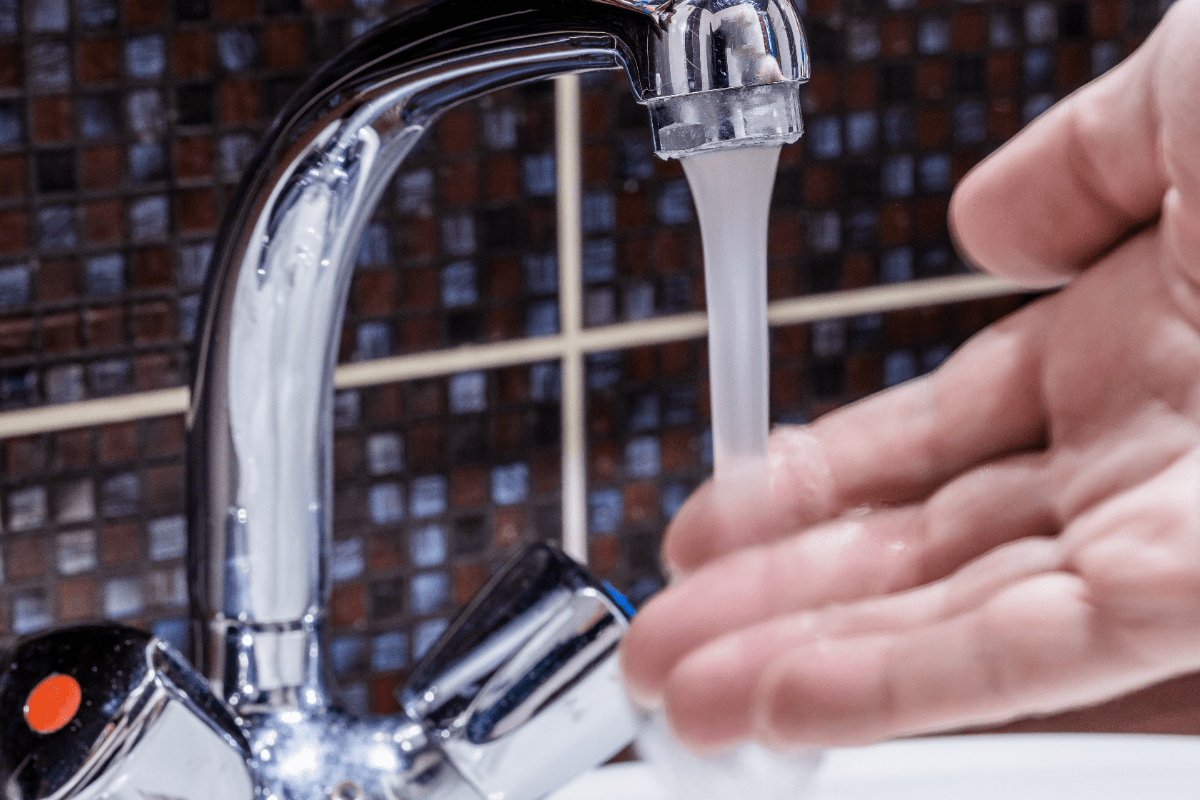
How to increase the water pressure in your home
Low water pressure in a home is frustrating and needs to be sorted, we asked the experts how to improve yours
DpenA lack of water pressure within a home is annoying and inconvenient, and something that needs to be resolved.
The biggest issue is finding out where the problem is, is it inside or outside the property?
If it’s outside, it’s a task for the water company – for example resolving a burst water pipe outside the home.
However, if it’s inside, then the onus is on you to sort it out.
These expert tips will help you to identify what the potential problem could be, how to resolve it, and improve your water pressure.
What is the minimum water pressure for UK homes?
In the UK, water suppliers are expected to provide a minimum pressure of around 0.7 bar at the property boundary, although this can vary by location and the water network.
Ross Bliben, sales director and Bathroom Spare Parts explains: “As a rough guide, 0.7 bar is acceptable for basic everyday use. 1.5–2 bar is considered good pressure for most homes, and 3 bar+ is strong pressure.
“This is often ideal for modern showers and multiple outlets running together
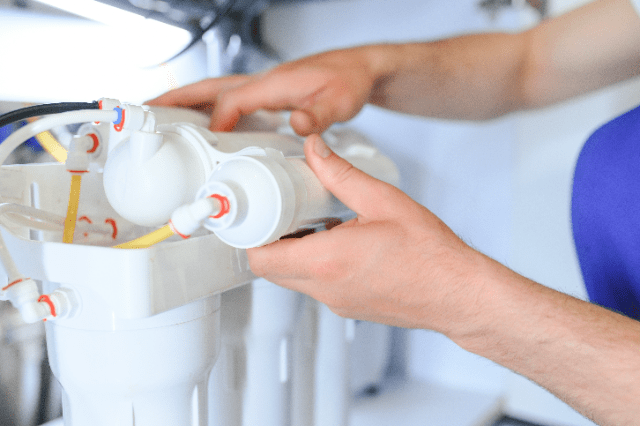
Photo: Adobe Stock
How can you test your water pressure?
Before calling a plumber, there are a number of ways to check your water pressure yourself.
Ross adds: “The first is use a pressure gauge, which is the most accurate method.
“A simple threaded water pressure gauge will attach to your outdoor tap or washing machine connection.
“Typical readings will then reveal your water pressure: below 1 bar is low, 1-2 bar is normal, and 2-3 bar is very good.
“If you don’t have a pressure gauge, you can use the jug flow rate test.
“This is a quick home test, where you time how long it takes to fill a 1 litre jug from the cold kitchen tap.
“Around 6 seconds or less would constitute a healthy flow, while 10 seconds or more usually indicates a possible low flow issue.”
It’s worth noting that the jug flow test isn’t a true water pressure test, but it can identify a possible issue.
If it’s a specific issue with either cold or hot water, you can discover for sure with a simple check, too.
Ross explains: “If necessary, you can also compare hot and cold performance in your water pressure.
“If the cold water pressure is good, but hot water is weak, this could suggest an issue with your boiler.
“Or alternatively, a blocked cartridge, scaled pipework or a failing shower valve or tap component.”
What simple checks can you do before calling a professional?
A lot of low water pressure issues can be caused by small problems that can be resolved without the stress and expense of major work.
Ross agrees: “Firstly, check the stopcock is fully open. One of the most common causes of low water pressure is the internal stopcock not being fully opened.
“Even partially closed valves can dramatically reduce flow.
“Next, ask neighbours if they have the same issue or post on your local social media page to get a general overview for your town or village.
“If neighbouring properties are also affected, it may point to a temporary mains supply problem or local water works.
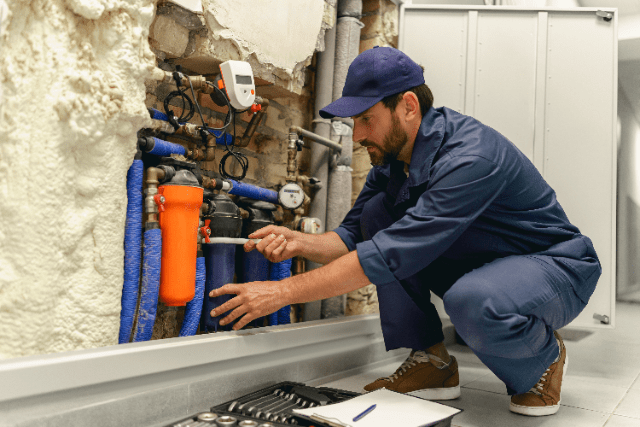
Photo: Adobe Stock
How can you increase your water pressure?
The question of how to increase your water pressure is really dependent on what the issue is in the first place.
Ross explains: “The quickest and cheapest fix is to check that all of the valves are fully open and remove any restrictions.
“Many pressure complaints are caused by partially closed valves or blocked filters – replacing worn or scaled components, especially in older taps, can increase the pressure.
“This is particularly the case in shower cartridges and valves, which can become heavily restricted internally over time.
“Replacing the faulty part is often far more cost-effective than replacing the full shower or tap.
“This can also be done yourself.
How much can it cost?
Depending on the work needed doing, and what is exactly wrong this can vary.