
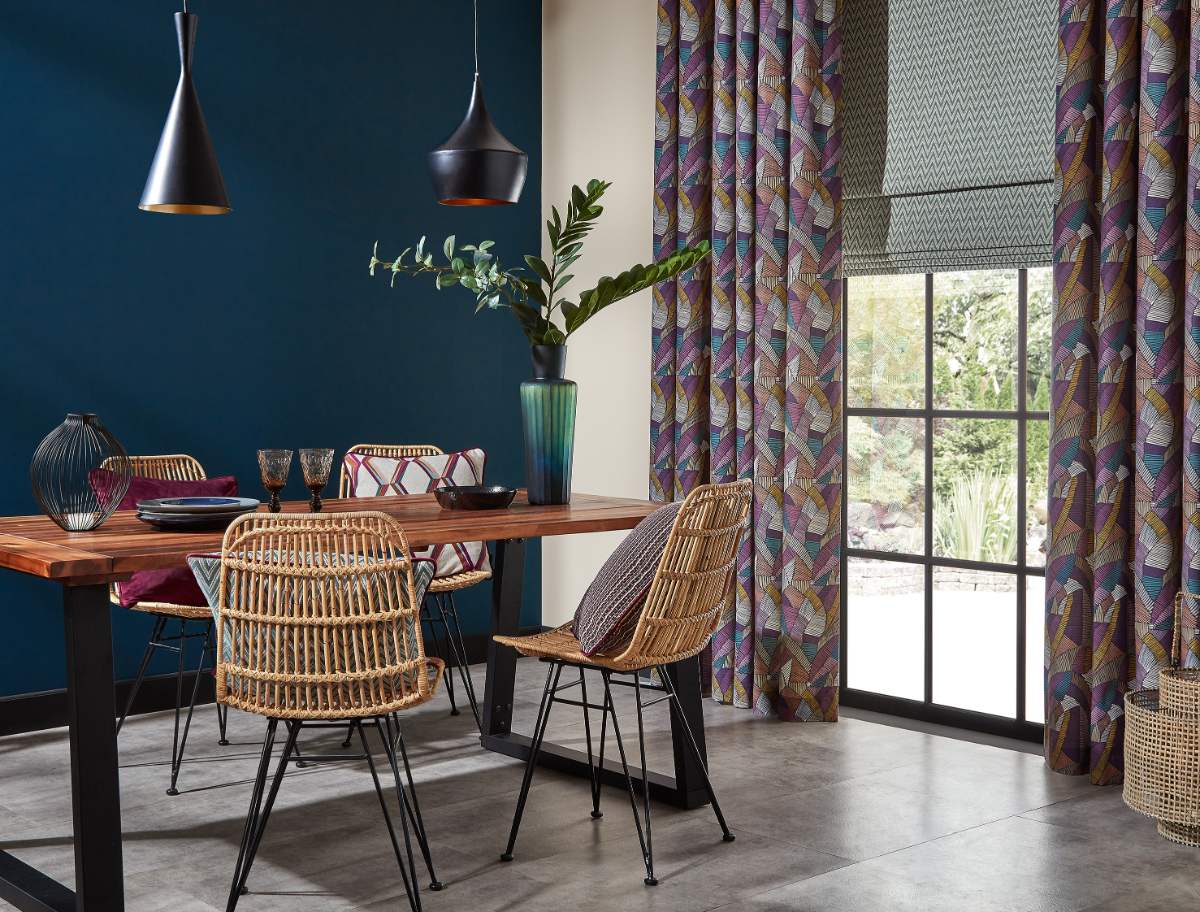
Is window stacking the secret to cooling down your home?
This trending hack could make all the difference to your home this summer
As the temperature rises across the UK we are all desperately searching for solutions to keep our homes cool.
According to research from The Guardian, after the heatwaves of recent years, more than 4 million UK homes now have air conditioning.
This is double the amount from three years ago.
However, many of us haven’t yet committed to what can be considered an expensive commodity – which is often only used for a few weeks a year.
A powerful electric fan can help keep you cool for a time, but often these can end up circulating cool air.
The perfect solution is to stop your home getting too hot in the first place – enter the concept of window stacking.
What is window stacking?
Anthony Threlfall, head of marketing at Everest explains: “Window stacking is the method of layering different types of window coverings, usually around three.
This is to create a combined system that blocks heat, controls light and improves comfort during hot weather.
“Rather than relying on a single blind or curtain, you build up a heat-blocking layer, a light-diffusing layer, and a heat-control layer that all work together.
“The result is far more effective than just a single covering on its own.
“Therefore, giving you much greater control over the temperature and airflow in a room throughout the day.”
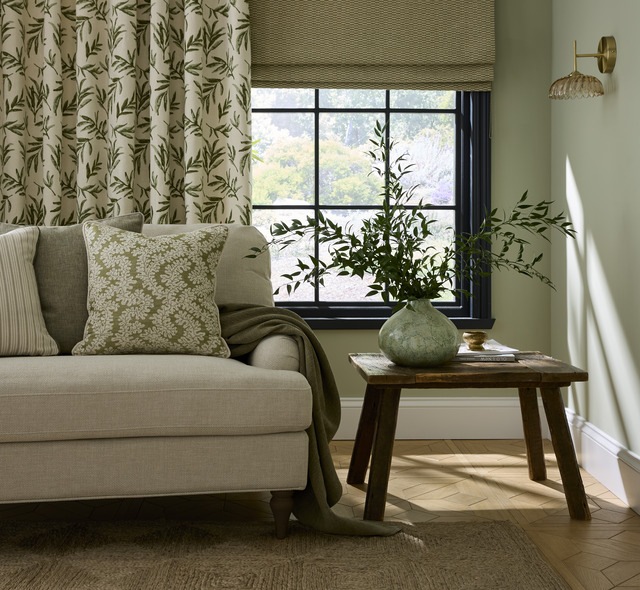
Photo: Terrana, ILIV
How to create a window stack
Still unsure how the idea works in practice? In terms of keeping a home cool in a heatwave, there is a knack to the window stacking.
Anton Neike, cooling and energy expert and CEO at Taupia explains: “Ideally you need two sets of openings, one lower down and one higher up.
“Start by opening a window on your ground floor, ideally on the cooler, shaded side of your home.
“Then, open a window on an upper floor (like a bedroom window or a roof window) to let the hot air escape.
“For best results, open the bottom sash of your lower windows to let cool air in.
“Then, the top sash of your lower windows to let cool air in, and the top sash of your upper windows to let warm ait out.
“If you have a two-storey home, opening first-floor windows on the windward side and second-floor windows on the opposite side works brilliantly.”
Debbie Leigh, design manager at interior textiles company ILIV adds: “The most effective window stacks are those that combine light-filtering and heat-blocking layers.
“Start with a sheer or voile fabric close to the glass which will help to diffuse strong sunlight but without completely blocking natural light.
“Next, add a well-fitted blind, such as a blackout or thermal roller blind, which can be pulled down during the hottest parts of the day.
“For the final layer use curtains, which you can adjust depending on the time of day.
“These will also add a layer of insulation when temperatures drop in the evening.”
What mistakes can be made when window stacking?
As with any new concept you’re trying yourself at home, it can be easy to get it slightly wrong and not get the full benefit.
Thankfully, the experts are on hand with troubleshooting advice before you attempt window stacking yourself.
Anton explains: “The most common mistake is opening windows during the hottest part of the day.
“This lets hot air in and actually makes your home warmer.
“The stack effect only works when the air outside is cooler than the air inside, so it’s best used in the early morning and late evening after sunset.”
Another mistake you can make is relying on fabrics that are too heavy.
Debbie comments: “A common mistake is relying on heavy fabrics alone during hot weather, which can actually trap the heat rather than reflect or diffuse it.
“Over-layering can also reduce airflow around the window, making rooms feel stuffy if everything is kept closed all the time.
“On a similar note, you need to ensure the window dressings are layered in a flexible way as if they are too difficult to adjust it becomes harder to respond to changing temperatures throughout the day.”
It’s also worth considering the colour of the materials you are using for your window stacking.
This can also strongly impact the effectiveness.
Ross Evans, co-founder of ShuttersUp adds: “Choosing dark materials that absorb heat rather than reflect it can also reduce effectiveness.
“It’s also important not to overcrowd the window with too many layers that become difficult to use.”
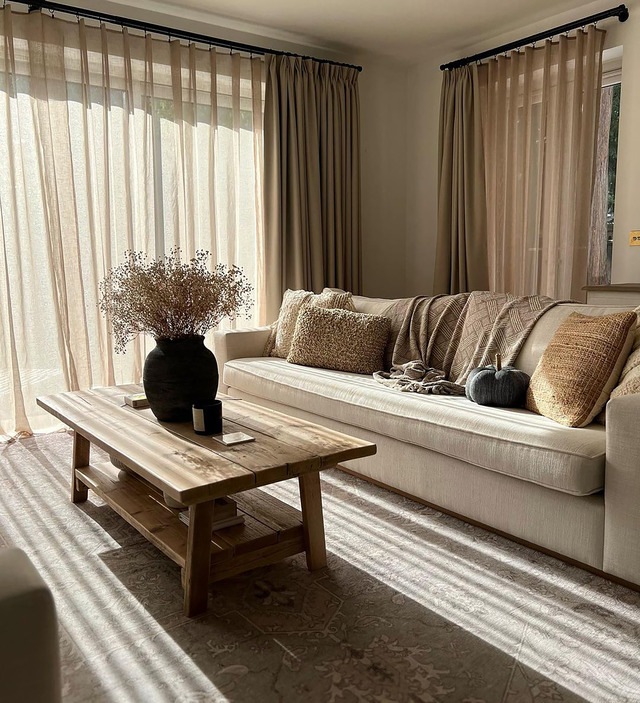
Photo: ILIV
Can window stacking impact home ventilation?
Ultimately, the idea of window stacking is to improve the ventilation in your home enough that it can make it feel cooler in the heat.
So, does it work?
Debbie explains: “Yes it will impact your homes ventilation.
“While layered window dressings are excellent for managing heat and light, they do need to be used thoughtfully to maintain airflow.
“The key is flexibility for example, being able to draw curtains back fully, raise blinds easily, and allow windows to be opened when temperatures drop or breezes pick up.
“In a heatwave, combining shading during the hottest parts of the day with strategic ventilation in the cooler periods is the most effective way to keep a home comfortable.”
Ross adds: “The most effective setups allow homeowners to manage both heat and airflow.
“Treatments that can be adjusted throughout the day – such as shutters with their adjustable louvres – make it easier to keep heat out during peak sunshine and welcome cooler air in when temperatures drop.”
It’s important to remember that window stacking doesn’t replace ventilation in a home, though.
Anthony concludes: “It supports ventilation by reducing heat gain, allowing controlled airflow – preventing rooms from overheating before ventilation is even needed.
“Used well, it’s one of the most effective and practical ways to keep your home comfortable when the temperature climbs.”
READ MORE: