

How to waterproof plywood
The best methods to prevent your plywood from rotting and making it last longer
Plywood can be used almost anywhere in the home, as it’s versatile and easy to work with.
However, if you are able to make it waterproof, that makes it even more practical for moisture-laden parts of the home.
Plywood is made from layers bonded together, so any water that gets in between the layers will weaken the wood, therefore waterproofing it is a wise move.
If you use a sealant on your plywood, this will enable it to be used in bathrooms, on kitchen worktops and outdoors.
The type of sealant you use will depend on where you’re using it. Here, we reveal five different choices to ensure you are using the right one for your space.
Why you need to waterproof plywood
Plywood is affordable and multi-purpose, with the major flaw being its absorbance of water.
This can lead to rotting, splitting and weathering (if outside). Once it’s been waterproofed it’s much more versatile, and it’s ideal for rooms like the kitchen that are prone to spills, steam and lots of humidity which would cause damage to untreated plywood.
Waterproofing your plywood will make sure it lasts longer, is less likely to rot or swell, and also reduces the need for frequency and repairs or even replacement.
There are several options for waterproofing plywood, depending on its intended use, here are some of the options available:
- Oil
This is the best option if you want to keep the plywood looking natural as it soaks into the wood to form a barrier.However, this will not provide a 100% waterproof seal, but it will strengthen the wood and prevent moisture damage. It’s best for outdoor decking or work surfaces. - Waterproof paint
Paint is resistant to water, but water-based paints can be used to seal and waterproof plywood while also colouring it. This will still need to be sanded and touched up as time passes, but it’s a long-lasting solution to waterproofing your plywood both inside and out. - Varnish
This can be used to keep the natural look of plywood, providing a fully moisture-resistant coating that has a shiny appearance. It’s ideal for exterior wood, helping it to expand and contract depending on the weather, therefore reducing the peeling and cracking. - Other options
Other ideas for waterproofing your plywood could include liquid latex and epoxy. Epoxy resin will dry hard and keep water out, while liquid latex is basically rubber, suitable for waterproofing plywood on floors, walls and roofs.
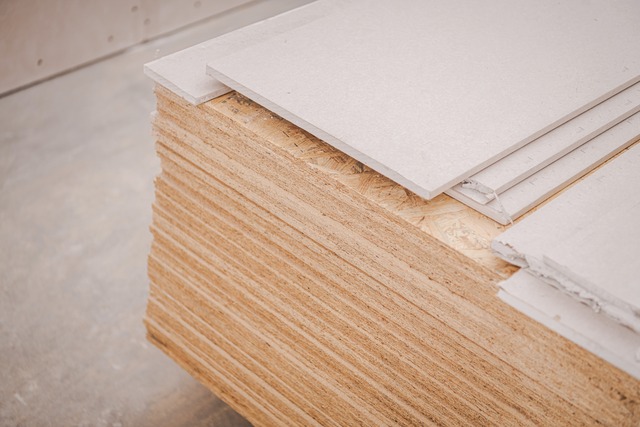
Photo: Adobe Stock
How do I waterproof my plywood?
Waterproofing plywood is fairly straightforward, here is a rough guide to how it’s done.
Jimmy Englezos, senior brand manager and DIY expert at Ronseal has offered his advice on how to waterproof plywood.
“To prepare the surface, start by removing any large dust and debris particles before cleaning the area with a mild detergent.
If the surface of the plywood has any cracks or holes, fill these in using a dedicated wood filler.
This will not only ensure a smooth, even surface, but will also stop any water from seeping into the wood and becoming trapped.
“Once the filler is completely dry, sand the entire surface using 120-grit sandpaper. This will ensure a smooth finish and allow better adhesion of any products you apply afterwards.
“If the plywood has previously been painted or stained, this should be fully removed before proceeding.
Finally, wipe the wood with a lint-free cloth that’s slightly damp with white spirit.
“The last step is to apply a waterproof paint or varnish.
Apply with a brush in the direction of the wood grain, paying particular attention to the ends of the wood, as moisture can easily penetrate this part.
“Depending on your project’s needs, you can use a clear or coloured varnish – just make sure to apply a test patch on a hidden surface before you begin to check you’re happy with the finish.”

Photo: Adobe Stock
Product pick matters
“It’s important to consider if your chosen product is water-based, for example if you’re using Ronseal Crystal Clear Outdoor Varnish, as this should only be applied to marine-grade plywood, not regular plywood.
“Regular plywood cannot resist the water content found within the coating of water-based products and therefore risks delamination in the wood layers. This is not the case for solvent-based products like the Ronseal Yacht Varnish, which can be used on either type of plywood.
“Always follow the varnish or paint’s instructions, but typically three coats is a good level to ensure the plywood is waterproof, before leaving to fully dry.”
READ MORE: