How to get rid of moss on your roof safely
Moss on your roof can cause heat loss, damp and structural damage - experts reveal why you need to sort it ASAP
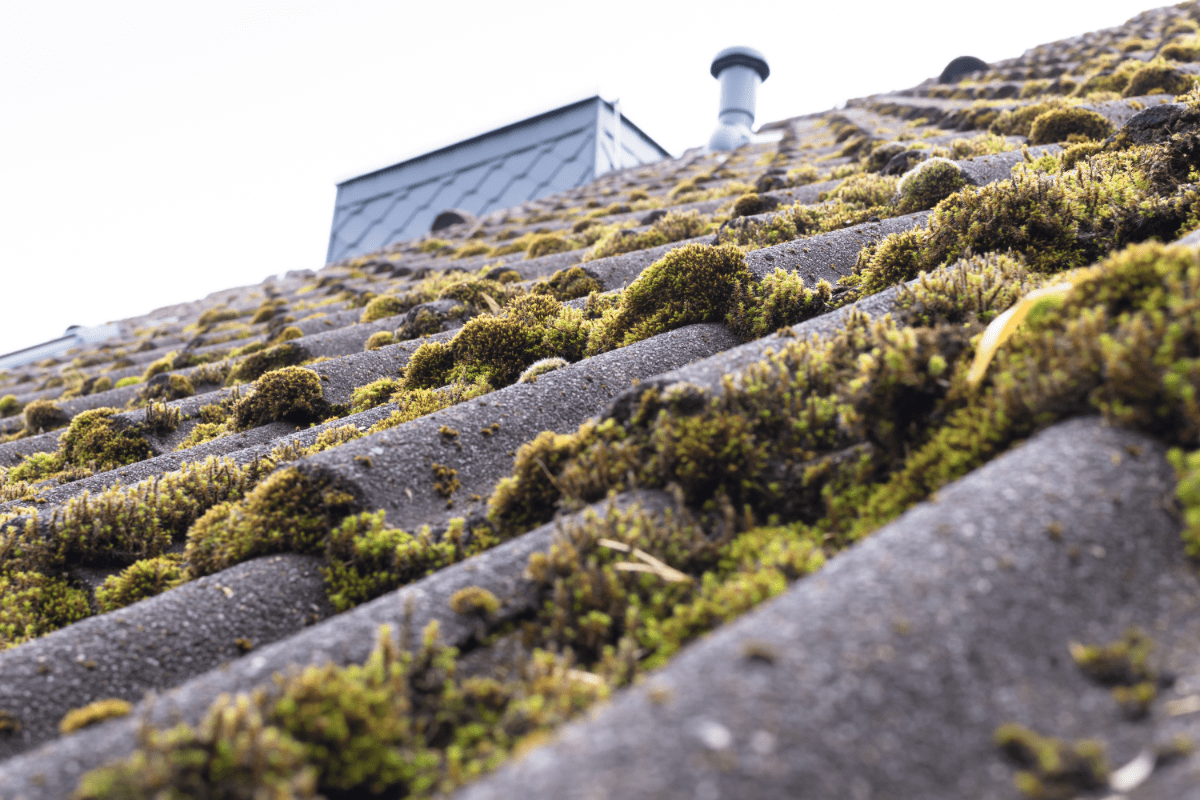
Moss growing on roofs is more common than you might thing, but it’s also incredibly important to get rid of.
Left unchecked, it can cause untold damage to your home as well as spoil the aesthetics of the outside of your property.
Moss can reduce energy efficiency, block drainage, and damage any tiles on the outside of your property.
Some cases can be treated yourself. However, if you have large amounts of moss or it’s in a difficult place, you might be best to get the experts in.
Discover how to get rid, and when the job should be left to the experts, as well as what can happen if you leave moss for too long.
Can moss be removed from a roof yourself?
Moss can be removed by yours truly, but it will depend on how much moss you have. Alongside the roof type, height and how confident you are working safely at a height.
Mike Storey, founder and technical manager at UKFR Roofing & Insulation explains: “The actual moss removal itself isn’t particularly complicated, but access and safety are the biggest risks rather than the cleaning side of things.
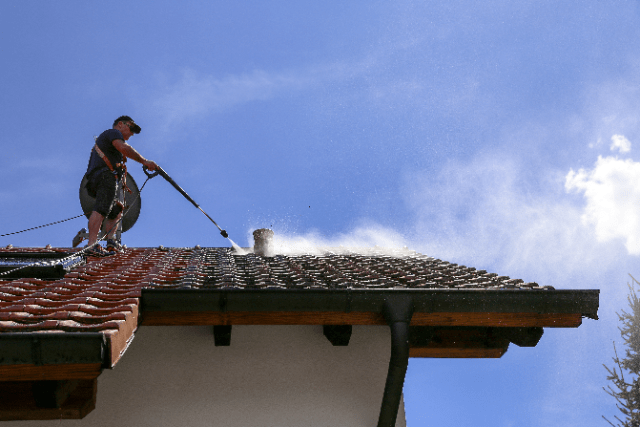
“A lot of people try pressure washing from a ladder, which is something I definitely don’t recommend doing.
“Roof tiles, especially older concrete or slate tiles, can crack or lose their protective surface if you clean them aggressively.
“Additionally, walking on the roof incorrectly can also break tiles and cause leaks.
“If you just have small amounts of moss on a low-level roof, extension, or conservatory, it’s possible to remove it yourself if you have the right equipment, such as a stable ladder and a stiff brush.
“However, if you’ve got a steep roof, large areas of moss, or a fragile roof, it’s usually better to get a professional involved.
“The cost of repairing damaged tiles is far higher than getting them cleaned properly in the first place. It’s not worth risking a dangerous fall.”
What damage can moss cause to roofs if left unchecked?
As a rule, many people are unaware of the damage moss can do to their roof.
While it isn’t a major issue at first, over time it can cause plenty of problems if left untreated.
Mike adds: “The biggest issue is that moss holds moisture against the roof surface.
“Roof tiles are designed to shed water quickly, not stay constantly damp.
“When moisture sits on your roof tiles long-term, particularly during winter, freeze-thaw cycles can start damaging tiles.
“This can cause the surface to break down. Moss can also work its way slightly under the edges of your tiles as it grows, allowing water ingress during heavy rain or wind.”
It isn’t just the weather that can cause moss to wreck havoc though, there are other factors that can encourage damage by moss.
Mike adds: “Another common issue is blocked gutters and drainpipes.
“As the moss dies and falls away, it can often collect in your home’s drainage system.
“This can then overflow onto walls, causing damp problems lower down your property.
“The earlier it’s dealt with, the better, as small moss growth is usually straightforward to manage.
“In comparison, years of build-up can lead to much bigger maintenance costs.”
How can moss be removed safely?
The safest way to remove moss from your roof is by manually scraping it off before treating your roof with biocide or roof treatment.
This removes the bulk of the moss without causing unnecessary damage to your tiles.
Mike advises: “One thing I’d suggest people to avoid in most cases is aggressive pressure washing.
“While it looks effective initially, it can strip the protective finish from tiles, force water beneath them, and shorten the roof’s life if done incorrectly.
“For DIY cleaning, proper roof access is essential.
“Roof ladders, edge protection, and fall prevention are far more important than the cleaning tools themselves.
“Never work directly off a standard ladder on a pitched roof.
“Professionals will normally scrape the moss off, clear the gutters afterwards, and then apply a treatment to kill off remaining spores.
“This gives a much longer-lasting result and reduces the chance of quick regrowth. The key thing is removing it without damaging the roof covering underneath.”
Photo; Adobe Stock
When do you know if experts are needed to remove moss?
As already mentioned, it is dependent on the amount of moss you need removed, as well as your roof type, the height of it and how confident you are at working from height.
If your roof is steep, difficult to access, particularly high or the tiles are old and fragile, it’s probably best to get experts in.
Mike explains: “Moss removal sounds simple, but working safely on roofs is where it gets tricky and dangerous, and it’s just not worth the risk to save a few quid.
“Another sign is if the moss is very thick or has clearly been building up for years.
“Heavy moss growth can hide cracked tiles, damaged flashing, or underlying roof issues that may need professional attention once cleaned.
“Professionals are more likely to spot these problems early, before they turn into leaks.
“You should also avoid DIY cleaning if you’re considering pressure washing but aren’t experienced with roof cleaning. Incorrect pressure washing causes a lot of avoidable roof damage every year.”
How can you stop moss from growing back once you’ve got rid of it?
It is very difficult to completely prevent moss, especially on a north facing or shaded roof – but you can reduce it significantly with the right maintenance.
Mike adds: “The biggest factor is moisture and shade.
“Roofs that stay damp longer tend to develop moss much faster.
“After cleaning, applying a biocide treatment is one of the best ways to slow regrowth.
“This kills off the remaining spores that are left behind after the visible moss is removed.
“Without this step, moss often comes back surprisingly quickly.
“Keeping your gutters clear also helps, as overflowing gutters can keep roof edges damp.
“Trimming back any overhanging trees also improves sunlight and airflow, which helps the roof dry out faster after rain.
“Some people also install copper or zinc strips near the ridge of the roof.
“This is because rainwater running over these can help discourage moss growth naturally over time.
“But generally, ongoing maintenance is the key.
“Small amounts of moss cleaned periodically are much easier to manage than leaving it for years.”
READ MORE