What are the house extension trends of 2026?
West Midlands Building Company's expertise highlights the biggest home improvement trends
PROMOTIONAL FEATURE
With 2026 well underway, homeowners may be asking themselves what more they can get from their property. A larger dining room, an open-plan kitchen space, or a dedicated playroom for the little ones?
Whatever your current family lifestyle requires, a house extension is guaranteed to create fresh, exciting space to make your own and change up the dynamics of your home life.
But knowing the 2026 house extension trends can really help bring your property into the modern age, especially if resale is on your mind for the future.
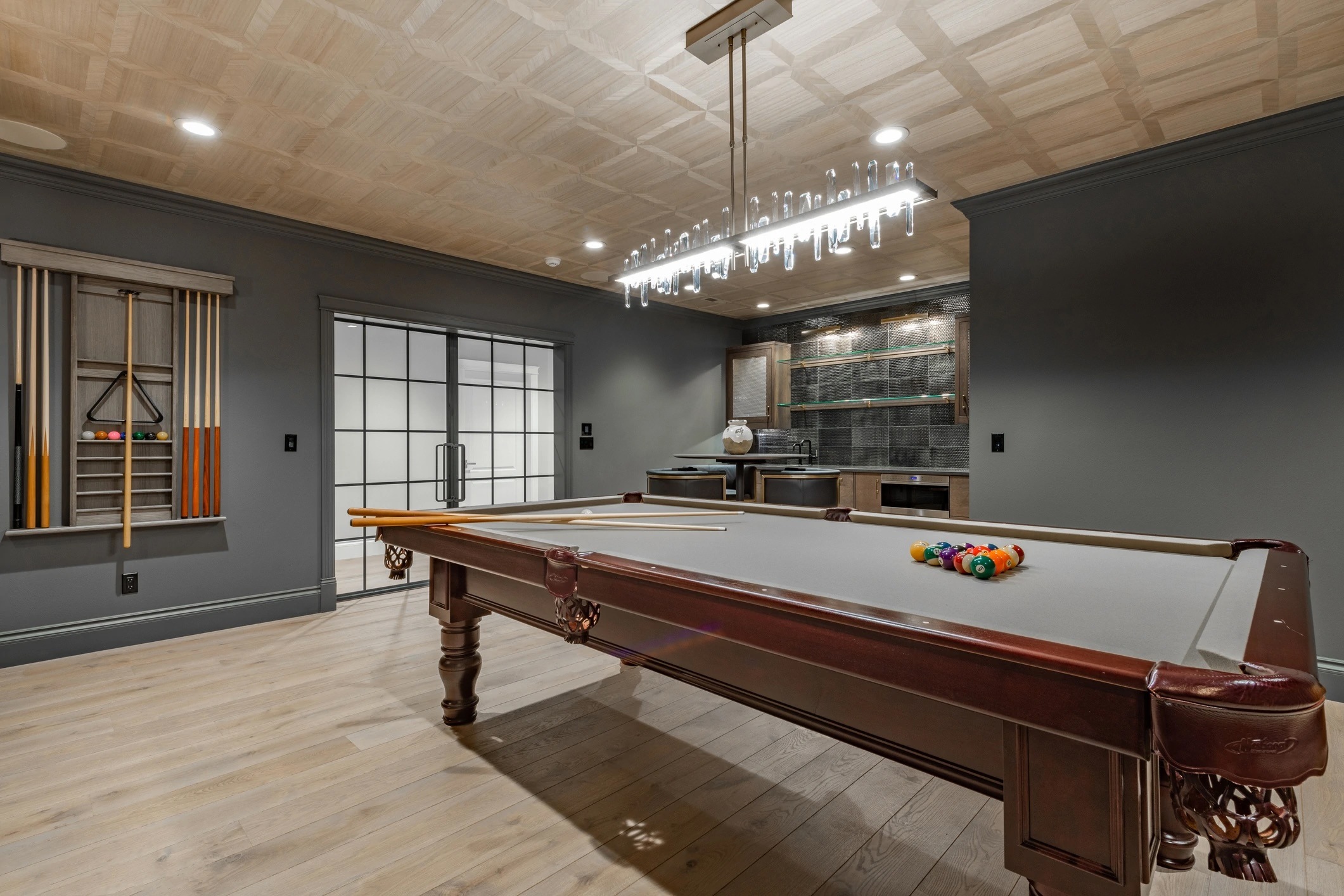
The biggest takeaway from 2026 house extension trends is the intention of extending – previously, it has been to simply add space, but more recently, functionality, longevity, and the way people actually live are being considered the most important influences.
Experienced home improvement companies, like West Midlands Building Company, continue to support homeowners in transforming these ambitions into reality.
7 House Extension Trends of 2026
1. Open Plan (Zoned Layouts)
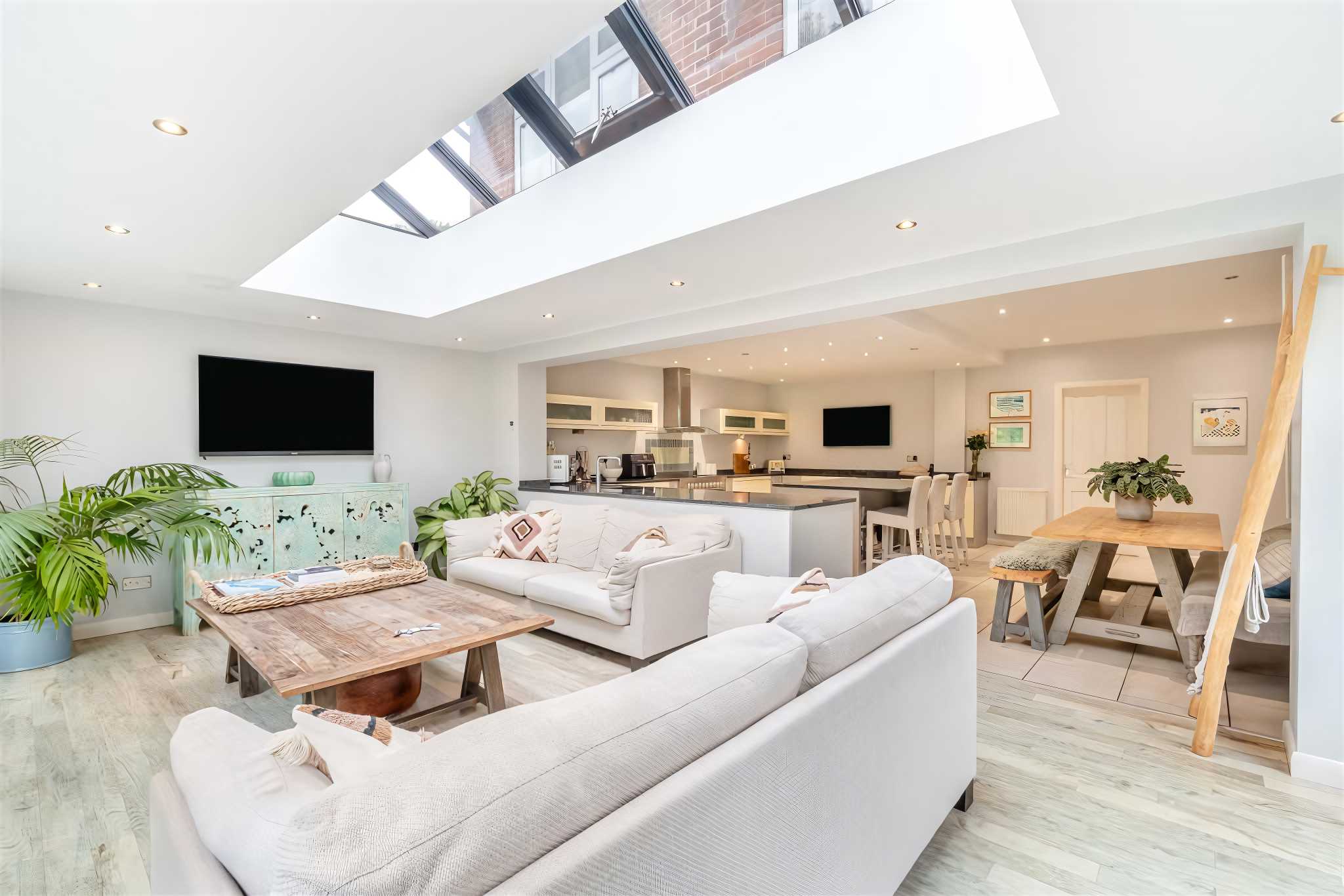
Open-plan living hasn’t disappeared, but it’s matured in 2026. The once-popular notion of an entirely undivided space has been replaced by environments that are open yet subtly structured, or ‘zoned’.
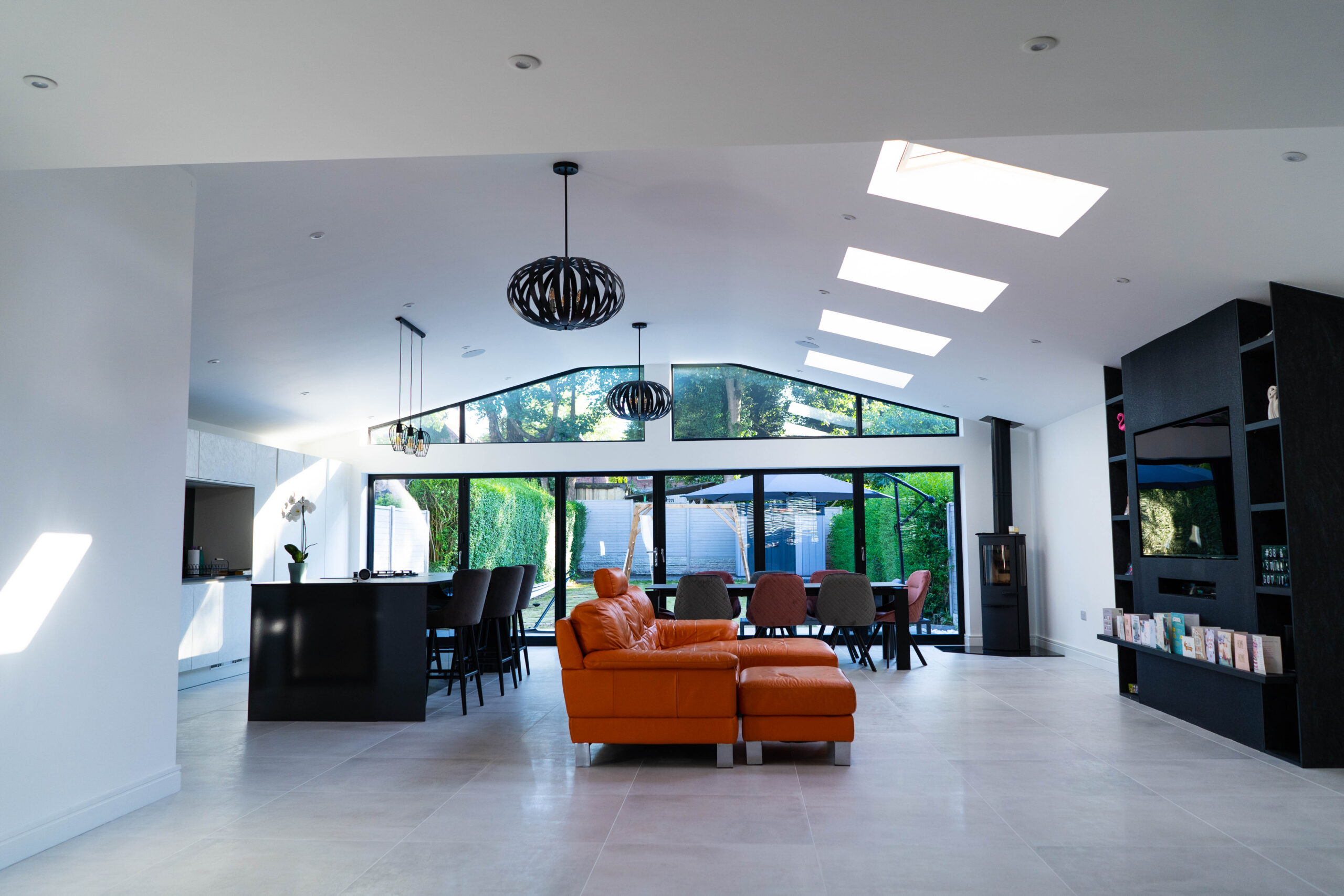
Zoned layouts are now at the forefront of extension design. In practical terms, this might involve a single-storey rear extension in which the kitchen, dining, and living areas flow into one another, yet retaining distinct identities.
Changes in ceiling height, the introduction of partial partitions, or even shifts in material can define areas without enclosing them.
This approach is particularly effective in wrap-around extensions and side extensions, where the footprint allows for a more layered spatial arrangement.
2. Prioritising Natural Light
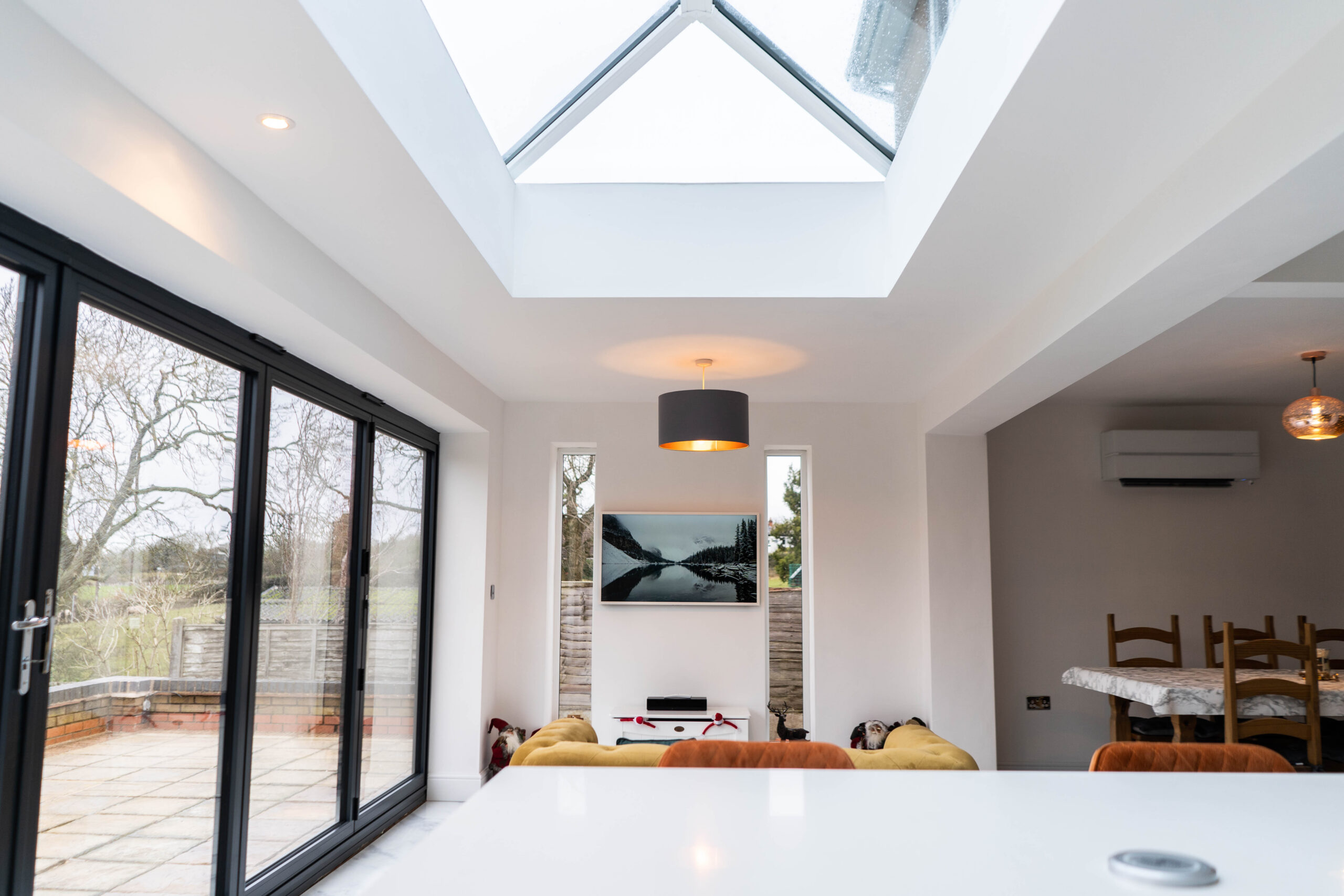
Light has become one of the most valuable commodities in residential design in 2026. It’s not treated as an afterthought, but as a central organising principle when it comes to house extension design.
Rear extensions and side return extensions, in particular, can see the biggest benefits from this prioritisation. Large-format glazing, roof lanterns, and carefully positioned openings are used to draw light deep into the plan, especially when using the notably dark side-return as part of your renovation.
In single-storey extensions, vaulted ceilings paired with skylights can transform what might otherwise be a modest addition into a striking, luminous space.
Even in double-storey extensions, where the challenge of light distribution is a bit more complex, thoughtful window placement ensures that both floors benefit. The result is not only aesthetically pleasing but also contributes to the well-being and energy efficiency of the home.
3. Indoor to Outdoor Living
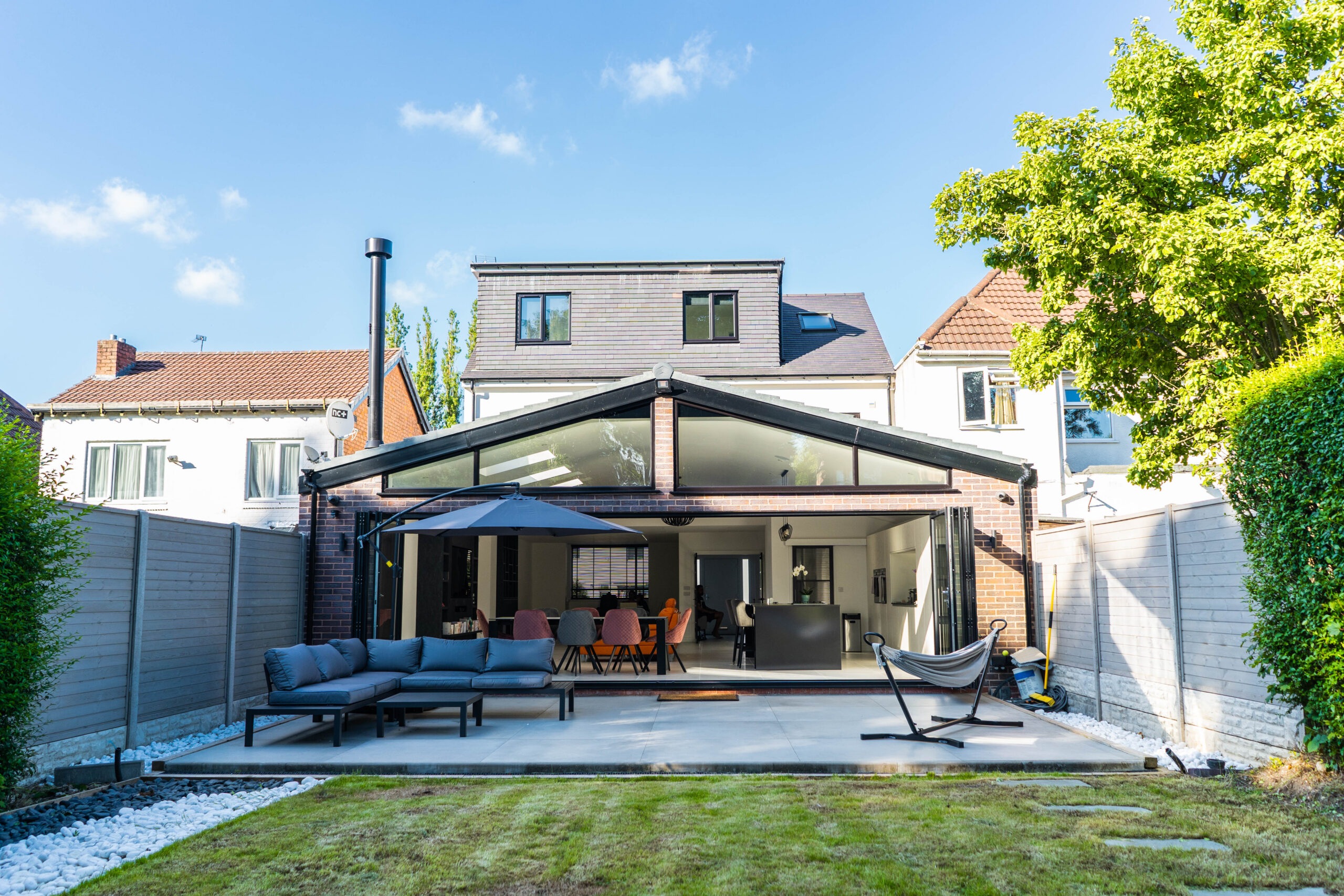
In 2026, we see again that the boundary between inside and out continues to soften. Extensions are increasingly utilised as a bridge between the home and the garden, rather than the barrier that they once were.
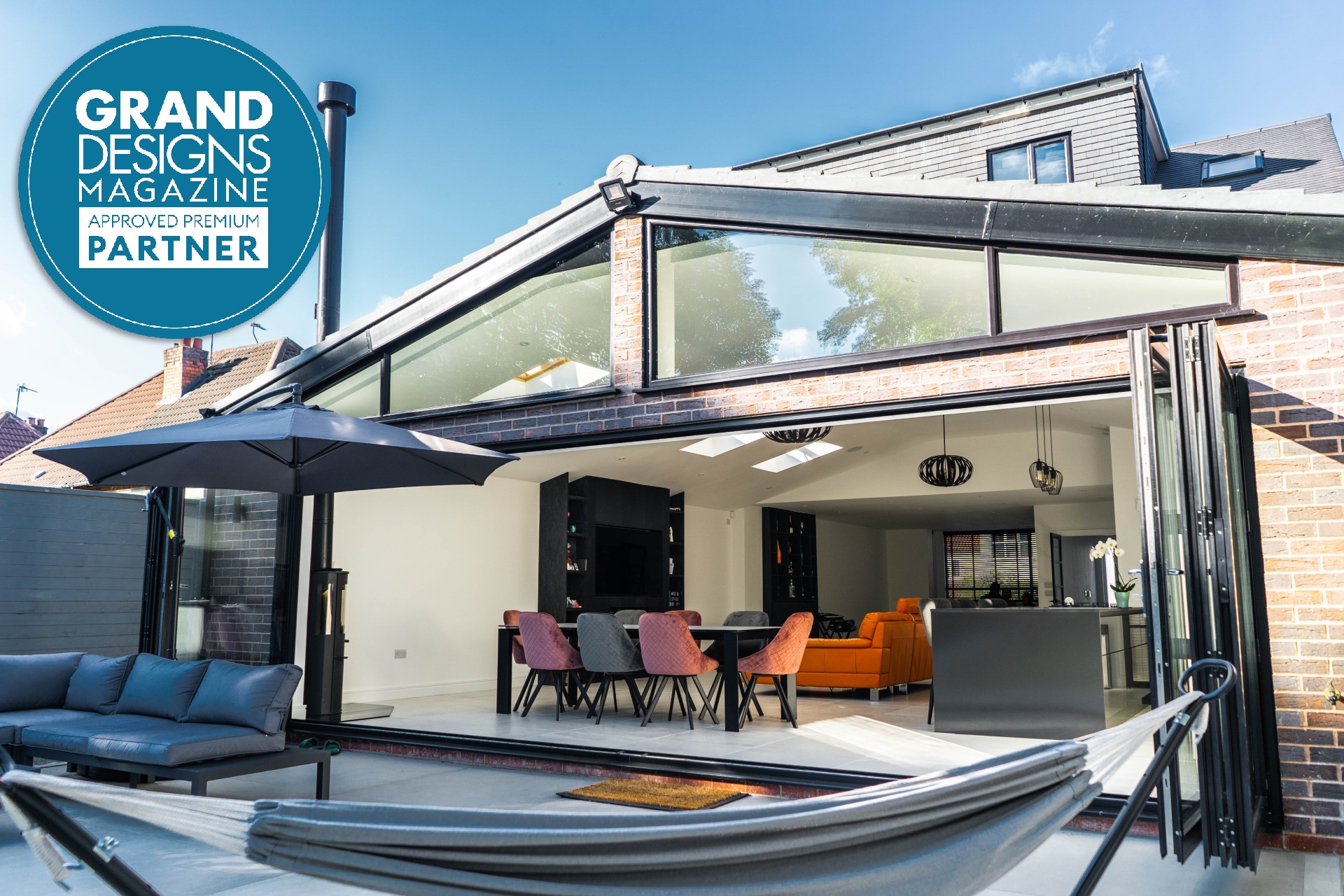
Flush thresholds, consistent flooring materials, and expansive sliding doors allow spaces to open seamlessly onto patios.
This is especially impactful in rear and wrap-around extensions, where the garden can become another room in the home – one that changes with the seasons, but remains integral to the experience of the home.
4. Sustainability and Energy Efficiency
If there is one defining factor of house extension design in 2026, it is performance. Sustainability is no longer a niche concern of a handful of people, but a fundamental requirement for the majority.
Extensions are now seen as an opportunity to improve the efficiency of the entire property, reducing utility bills and, in turn, your property’s carbon footprint.
High levels of insulation, airtight construction, and the integration of technologies such as heat pumps and solar panels are becoming standard practice.
This applies across all extension types – from front house extensions that enhance kerb appeal to double-storey extensions that maximise space without increasing the building’s footprint excessively.
5. Multi-Functional Living Spaces
Over time, the way we use our homes has changed, and extensions are beginning to reflect that shift, as spaces are no longer designed with a single, fixed purpose.
An open-plan kitchen may double as a workspace; a cosy snug might become a guest room; an ambient dining area could serve as a place for both entertaining and a quiet retreat to refuel.
This flexibility is particularly valuable in side extensions and smaller single-storey extensions, where every square metre matters.
Rather than setting in stone how a space should be used, contemporary design allows for much-needed adaptation as lifestyles change, families grow, and patterns shift.
6. Smart Home Integration
Now more than ever, technology is essential in our homes, especially with the rise of smart home integration. But the difference is that, in 2026, smart systems are not added as an afterthought, but integrated from the outset.
Lighting, heating, security, and even ventilation can be controlled seamlessly with smart integration, often through a single interface. In larger projects such as double-storey or wrap-around extensions, this level of integration can significantly enhance comfort and efficiency.
They can also be extremely subtle when executed to the highest standards. The best smart homes aren’t obvious to outsiders – they simply work, responding intuitively to occupants’ needs.
7. Blending Old and New Materials
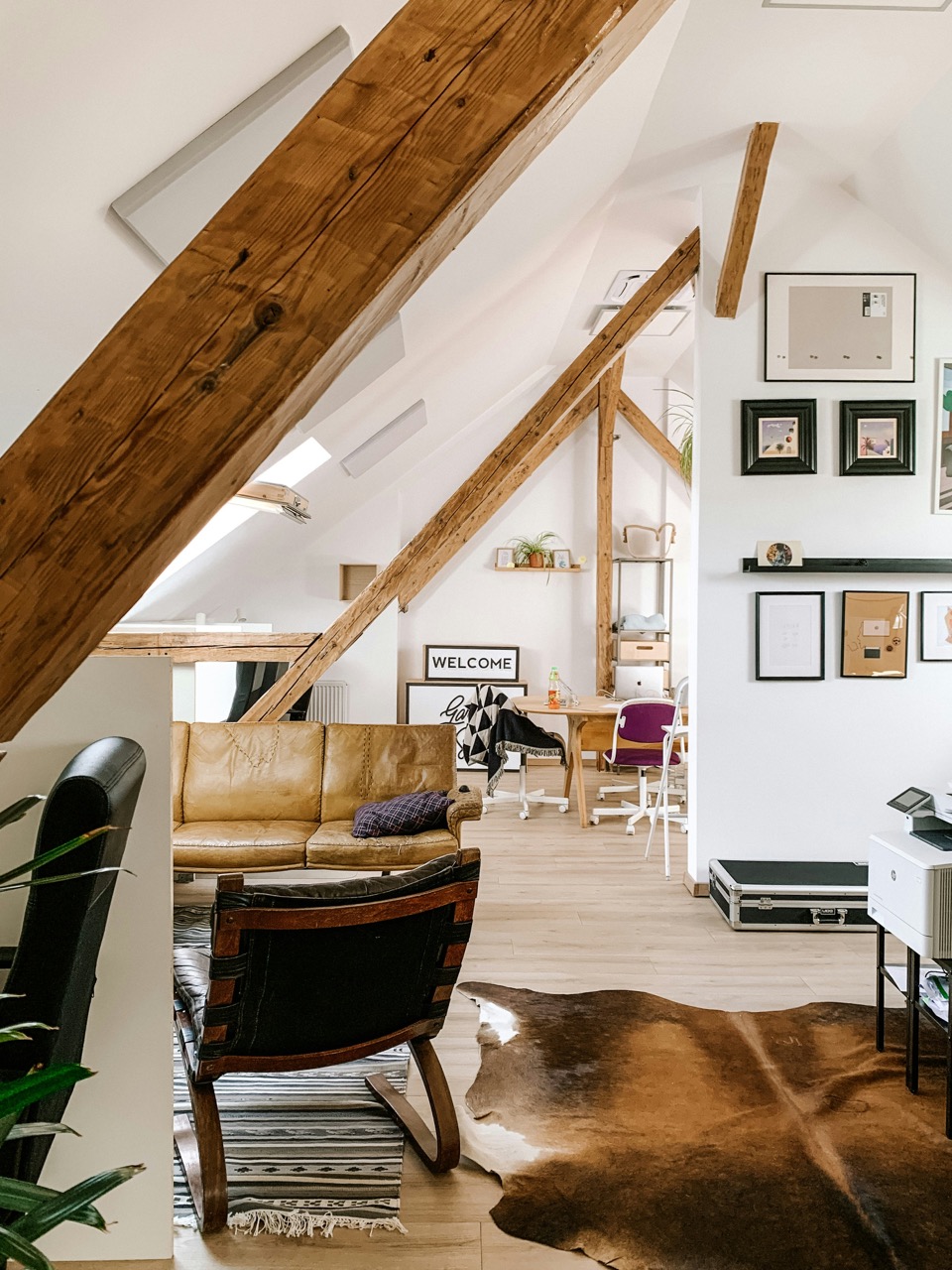
One of the most notable expressions of modern extension design lies in how materials are handled compared with previous years. Rather than attempting to replicate the original building exactly, there is a growing confidence in contrasting materials.
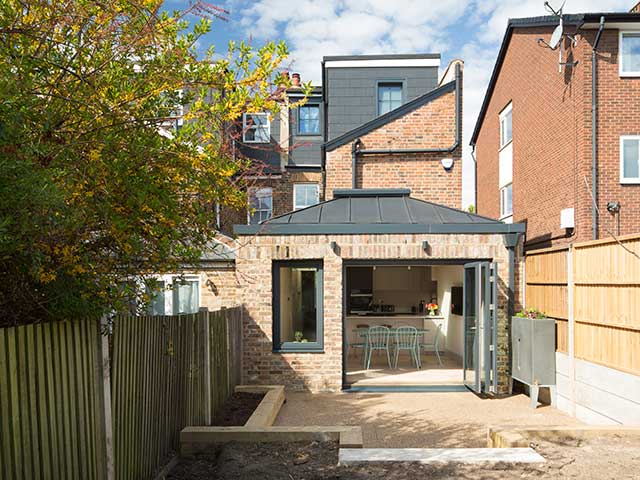
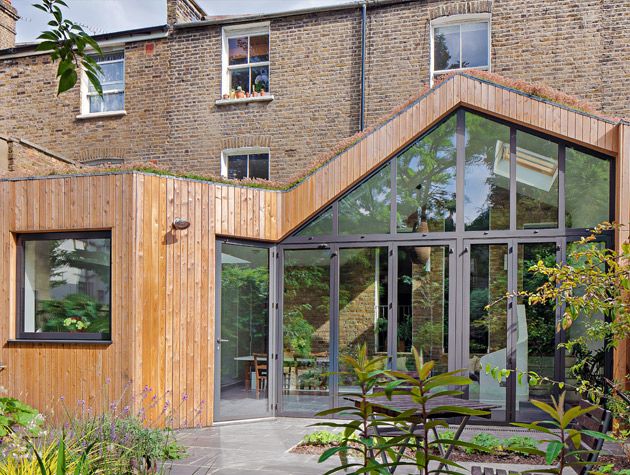
For example, a traditional brick home might be complemented by a contemporary rear extension in aluminium-framed glazing. The aim is not to create a direct reflection of the existing property, but to create a connection between past and present.
When done well, this can truly enhance the character of the original property while adding fresh, new space. It allows the extension to stand on its own terms, yet remain intrinsically connected to the home as a whole.
How 2026 House Extension Trends Differ from 2025
- Expansion vs refinement: In 2025, extensions were often driven by the need for more space following lifestyle shifts. By 2026, the focus has shifted to improving how that space functions and how it integrates with the existing home.
- Open plan vs zoned layouts: Fully open layouts were dominant staples of 2025, prioritising the flow and sociability of a new space. However, in 2026, zoned layouts offer a more balanced approach, introducing structure without losing openness.
- Sustainability is becoming the standard: Energy efficiency was previously seen as an upgrade or a ‘nice-to-have’, while in 2026, it’s a core expectation, with extensions designed to improve the property’s overall performance.
- Greater confidence in design contrast: Earlier trends often tried to closely match the original building, for example, the exact brickwork or material. Now, there is a more confident use of modern materials that looks to complement rather than replicate the existing home.
- Lifestyle-led design decisions: The emphasis has shifted from simply adding rooms to shaping how people live day-to-day. Every design choice is now more closely tied to functionality, comfort, and long-term usability.
What’s Next?
Extensions in 2026 are not defined by their size or cost, but by the quality of their design and the clarity of their purpose.
Whether it is a classic rear extension, a strategic side return, or a more ambitious wrap-around or double-storey extension, the goal is the same: to create spaces that feel natural, are multifunctional, and support the way people live now and in the future.
For homeowners in the West Midlands, working with an experienced team such as West Midlands Building Company ensures that this level of thought and detail is carried through every stage of the process.
They’ll be exhibiting at Grand Designs Live in Birmingham from 2nd to 4th October 2026. Come and visit them in person to discuss potential projects directly with experienced professionals.