
Why modern solar power raises the roof
Rhys Phillips from Next Energy debunks solar panel myths for Grand Designs Magazine
PROMOTIONAL FEATURE
Solar panels have become an increasingly familiar sight across the UK, yet many homeowners still believe outdated myths about whether their property is suitable for renewable energy.
Questions about roof orientation, roof pitch and even the impact on property value continue to discourage people from exploring solar power, despite significant advances in technology and installation methods.
With household energy costs remaining a major concern and more people looking to reduce their environmental impact, modern solar systems have never been more relevant.
Today’s installations are designed to work effectively across a wide range of homes, allowing many more households to benefit from generating their own electricity than was once thought possible.
While every property is different, professional installers can assess each home individually to determine the most effective system design. In many cases, homes that owners assume are unsuitable for solar can still achieve impressive performance and long-term savings.
Understanding solar performance in the UK
Contrary to popular belief, the UK’s climate is well suited to solar energy generation. Although the country experiences less sunshine than many parts of southern Europe, its geographical position between approximately 50 and 60 degrees north latitude provides favourable daylight conditions throughout much of the year.
During summer, long daylight hours allow solar panels to generate substantial amounts of electricity, while lower winter sun angles still provide useful energy production. On average, around 71% of a typical system’s annual electricity generation occurs during spring and summer, with the remaining 29% produced during autumn and winter.
Modern photovoltaic (PV) technology is also considerably more efficient than earlier generations of solar panels, meaning systems continue to produce electricity even during overcast conditions. Rather than relying on direct sunlight alone, panels generate power from daylight, making them effective throughout the year.
Myth 1: My roof faces the wrong direction
One of the most common misconceptions surrounding solar panels is that only south-facing roofs are suitable.
While south-facing roofs generally provide the highest annual electricity generation, they are far from being the only viable option.
East and west-facing roofs can also perform extremely well, particularly for households whose electricity usage is concentrated in the morning or evening.
An east-facing array tends to produce more electricity earlier in the day, while west-facing panels continue generating later into the afternoon and evening.
For many families, this production pattern aligns well with everyday energy consumption.
During a professional survey, installers assess the property’s orientation alongside expected energy usage to determine the most effective panel layout.
Rather than adopting a one-size-fits-all approach, each installation is tailored to maximise the return on investment for that particular household.
Installers also examine potential obstructions that could reduce solar generation. Chimney stacks, roof windows, dormers and neighbouring trees may affect the available roof space or create shading at certain times of day. These factors are carefully considered when designing a system.
Properties with predominantly north-facing roofs may generate less electricity than those with more favourable orientations. However, this does not automatically rule out solar power. In some cases, installers may recommend alternative configurations, including ground-mounted panels or a combination of roof and garden installations, helping homeowners make the best use of the available space.
Myth 2: My roof is the wrong angle
Roof pitch is another area where misconceptions frequently arise.
The optimum roof angle for solar panels in the UK typically falls between 30 and 45 degrees, a range that conveniently covers a large proportion of British housing stock.
However, roofs outside this range can still support effective solar generation. Shallower roofs between 10 and 30 degrees often continue to perform well, and installers may use specialised mounting frames to position panels at a more favourable angle where appropriate.
A minimum tilt of around 10 degrees also allows rainwater to naturally wash away dust, leaves and debris, helping to keep panels clean and maintain performance throughout the year.
Completely flat roofs present additional considerations, as standing water and accumulated dirt can reduce efficiency over time. Even so, specialist mounting systems are available to introduce the necessary angle while maintaining structural stability. As fully flat roofs account for a relatively small proportion of UK homes, this issue affects only a minority of properties.
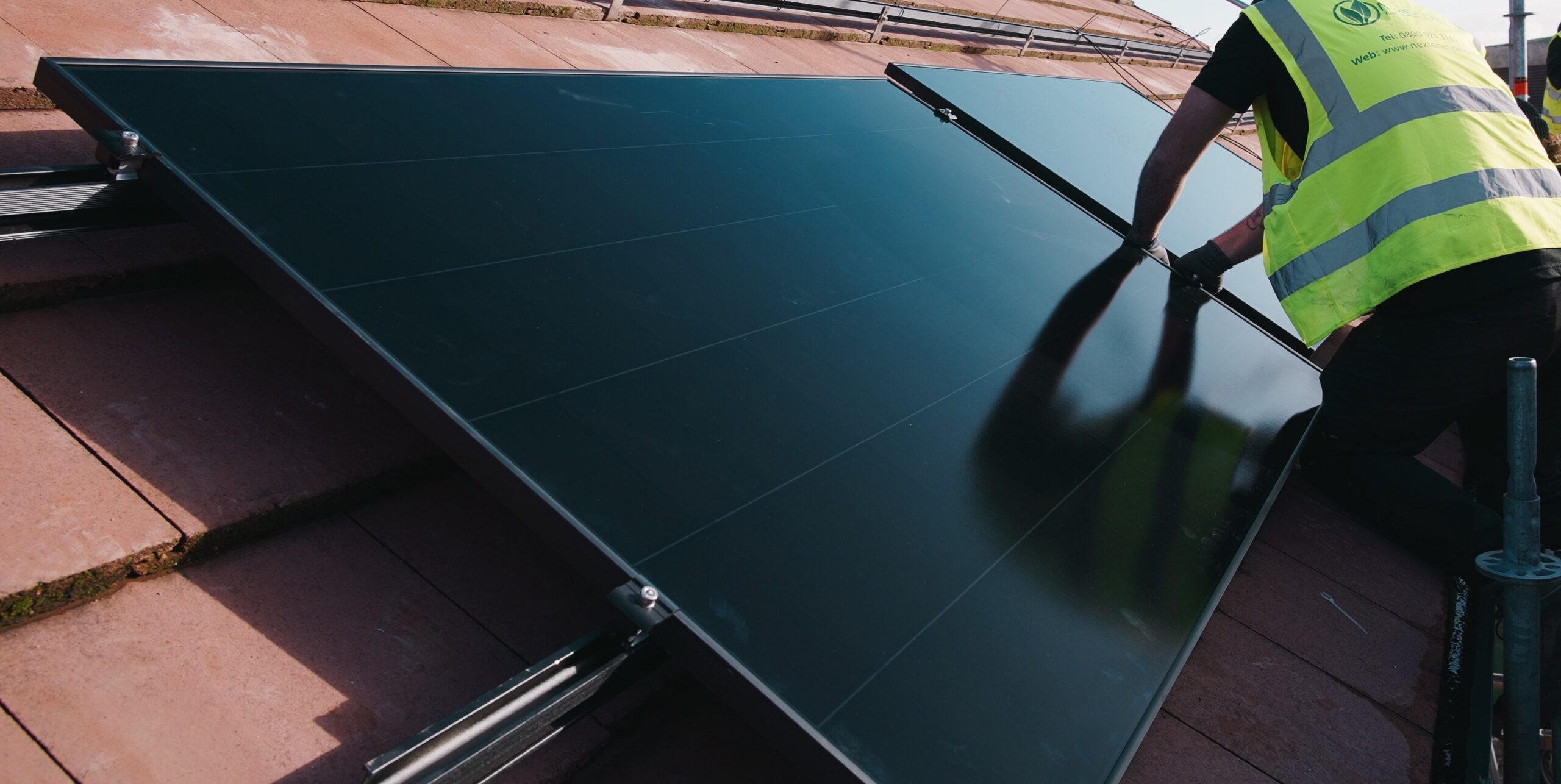
Professional structural assessments ensure that both roof condition and mounting methods are suitable before any installation proceeds.
Myth 3: Solar panels reduce property value
Another persistent concern is that installing solar panels could make a property more difficult to sell or reduce its market value.
In reality, research suggests the opposite may be true.
A study conducted by Swansea University found that homes fitted with solar panels could command a sale price between 6.1% and 7.1% higher than comparable properties without solar. For an average-priced home, this represents a potential increase of approximately £14,000 to £16,000.
One reason is the growing importance of Energy Performance Certificate (EPC) ratings. Every property sold or rented in recent years requires an EPC, which grades a home’s energy efficiency from A to G.
Solar panels can contribute significantly towards improving this rating, making the property more attractive to buyers who are increasingly conscious of running costs and long-term energy efficiency.
Lower energy bills, improved environmental credentials and the opportunity to generate renewable electricity all add to a property’s appeal in an increasingly energy-conscious housing market.
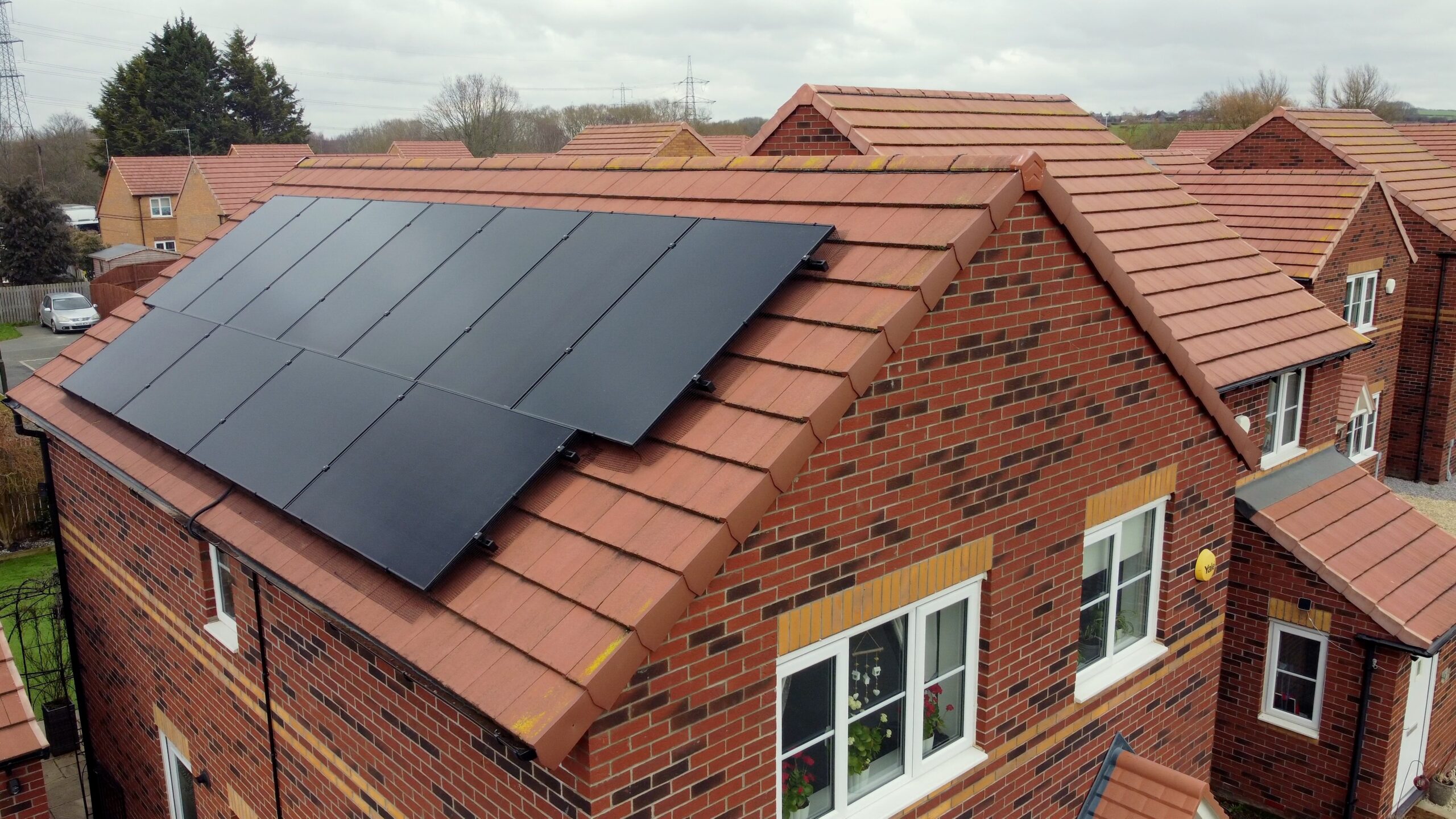
Modern solar panels have also evolved considerably in appearance. Today’s systems feature sleek, low-profile designs that integrate seamlessly with many roof types, keeping visual impact to a minimum while maintaining excellent performance.
Maximising savings
The financial benefits of solar extend well beyond simply generating electricity.
Each installation is designed around the household’s individual energy consumption, helping homeowners use more of the electricity they produce themselves rather than purchasing power from the grid.
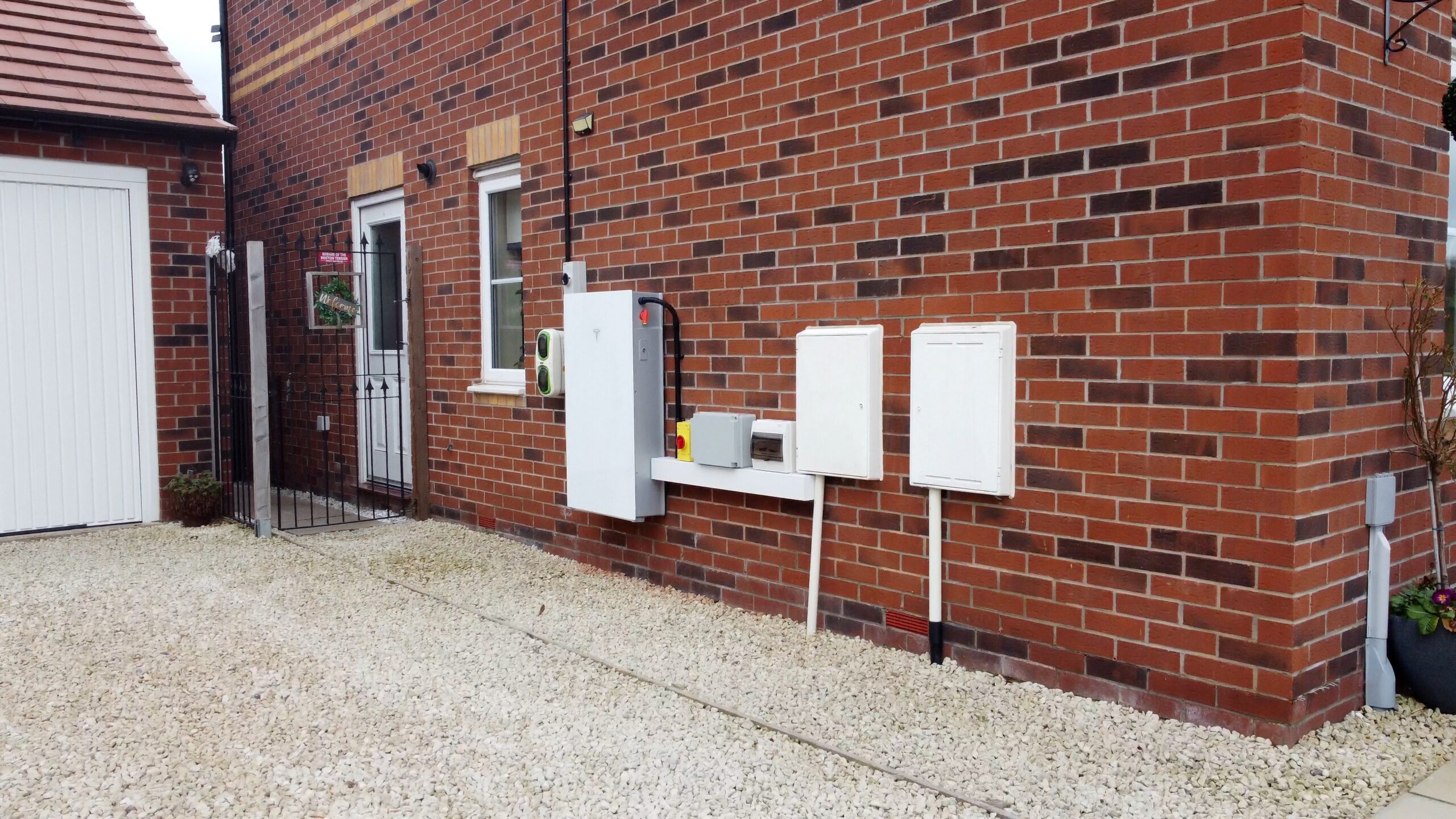
Battery storage systems have become an increasingly popular addition to solar installations, allowing excess electricity generated during the day to be stored for use later in the evening or overnight. This increases self-consumption and further reduces reliance on grid electricity.
Homeowners can also take advantage of export tariffs, allowing unused electricity to be sold back to the National Grid. Combined with smart energy tariffs, battery storage and thoughtful energy usage, this can significantly improve the overall return on investment.
Simple changes in household routines can also maximise savings. Running washing machines, dishwashers or other energy-intensive appliances during daylight hours allows them to use electricity generated directly from the solar panels. Alternatively, excess daytime generation can be stored in a battery for later use when electricity prices may be higher.
Every household has different energy requirements, and experienced installers can recommend the most suitable combination of solar panels, battery storage and tariff options to achieve the greatest financial benefit.
Professional advice makes the difference
No two homes are identical, which is why professional assessments remain an essential part of any solar installation.
Installers evaluate roof orientation, pitch, shading, structural integrity and available roof space before calculating expected annual generation and estimating how long the investment will take to pay for itself.
Many providers also offer finance options to spread the initial installation cost. At the same time, government grants and local support schemes may be available in certain areas, making solar more accessible to a wider range of homeowners.
Modern monitoring technology further enhances the experience, with smartphone apps allowing homeowners to track electricity generation, household consumption, battery performance and financial savings in real time. This provides valuable insight into how energy is being produced and used throughout the day.
Although savings vary depending on property size, system specification and household consumption, annual reductions in electricity bills of around £700 are considered achievable for many homes.
A smarter investment for the future
As energy prices continue to fluctuate and demand for sustainable living grows, solar power represents an increasingly practical home improvement.
Far removed from the misconceptions that still surround the technology, modern solar systems are suitable for a far wider range of properties than many homeowners realise. Whether the roof faces east, west or south, or whether the pitch is slightly shallower than ideal, there are often effective solutions available.
With the potential to lower household energy bills, improve EPC ratings, increase property value and reduce carbon emissions, solar panels have become one of the most valuable long-term investments many homeowners can make.
For anyone considering renewable energy, the first step is a professional assessment. A tailored survey can identify the most effective system design, estimate future savings and demonstrate how today’s solar technology can help households generate cleaner, more affordable energy for years to come.
About Next Energy
Next Energy is a UK renewable energy specialist, helping homeowners reduce energy costs and increase energy independence through the installation of solar PV systems and battery storage solutions.
With expertise in designing and delivering tailored renewable energy systems, Next Energy supports customers from initial consultation through to installation, helping them get the most from their home energy generation and storage.
Next Energy is part of DCC Energy, a division of DCC plc, a leading international sales, marketing and support services group.