An architects’ view on the rewards and realities of building down
Considering a basement extension? Architect Lior Brosh explains the ins and outs of building down, from managing planning permissions to boosting your property value
If you’ve outgrown your home but don’t want to move, you might be exploring the possibility of extending it.
But with this comes navigating the planning permission process, which can quickly become challenging.
In the UK, where space is often limited and many buildings bear a long history, adding new extensions up or out tends to be closely vetted by local councils. But what about building down?

Lior Brosh, architect and founder of Brosh Architects
Lior Brosh is an architect and founder of Brosh Architects, a young and energetic architectural practice based in London.
We caught up with him to get the lowdown on the rewards – and the realities – of ‘building down’ to make the most of your home.
The evolution of the ‘iceberg home’
The first time Lior noticed a real uptick in basement extensions was around 2006. Since then, concerns over ‘iceberg homes’ have transformed the planning process.
“20 years ago, the UK economy was very different, and it felt like everyone was starting to build down,” says Lior.
“This was before the Basement Impact Assessment – the report now required to evaluate groundwater, soil stability and flood risk when doing a basement extension.
“Back in the early 2000s, planning for building down was simpler.
“You just had to protect a building’s heritage.
“But by 2013, applications for basement extensions in the Notting Hill area hit an all-time high of 450 that year, up from just 46 in 2001.
“I’d say this was the ‘tipping point’ where growing structural risks and high levels of construction nuisance led to a move towards proper regulation.”
Basement Impact Assessments
Image copyright: Brosh Architects
It was at this point that the Basement Impact Assessment (BIA) was introduced, particularly in large historic cities like London.
Its goal is to ensure structural safety, prevent flooding and minimise the impact of basement extensions on the surrounding environment.
“You can’t just submit a general drawing anymore,” explains Lior.
“Before applying for planning permission, you must conduct things like soil investigations and assessments with a structural engineer to prove the project is viable.
“For example, in areas like Camden, a BIA is usually required.
“This often involves boreholes drilled several metres deep to understand soil composition and foundation conditions.
“The results will be analysed by the engineer and used to produce the structural strategy and calculations for part of the planning submission.
“So, it’s really important to know how much professional input is required at this early stage, well before construction can begin.
“It’s a process of due diligence that takes time, and councils aren’t always quick to respond.
“While they do aim to determine applications within eight weeks, timeframes can extend in practice due to workload and backlog.”
How profitable are basement extensions?
So, getting planning permission for a basement extension will require a decent amount of work.
But do the rewards make it worth it?
Lior thinks so and explains why with the help of some numbers.
“You tend to price a house by its size – the square metre rate.
“So, to extend to a high standard in certain areas of London, you’re looking at around £3,000 per square metre in build costs.
“Now, look at the investment.
“If you buy a house for £800,000 and spend £150,000 on an extension and renovation, you have to look at the end value.
“Say the local market rate for finished homes is £10,000 per square metre – every new metre you build for £3,000 has essentially earned you £7,000 in equity.
“This is where the basement wins over a regular extension.
“A small rear extension might only give you an extra 18 square metres before you hit planning limits.
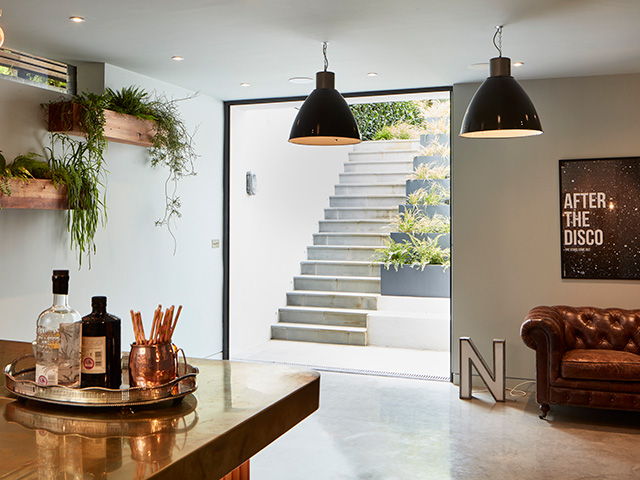
“But I’ve done basement extensions that go around the perimeter of the house and even under the entire garden.
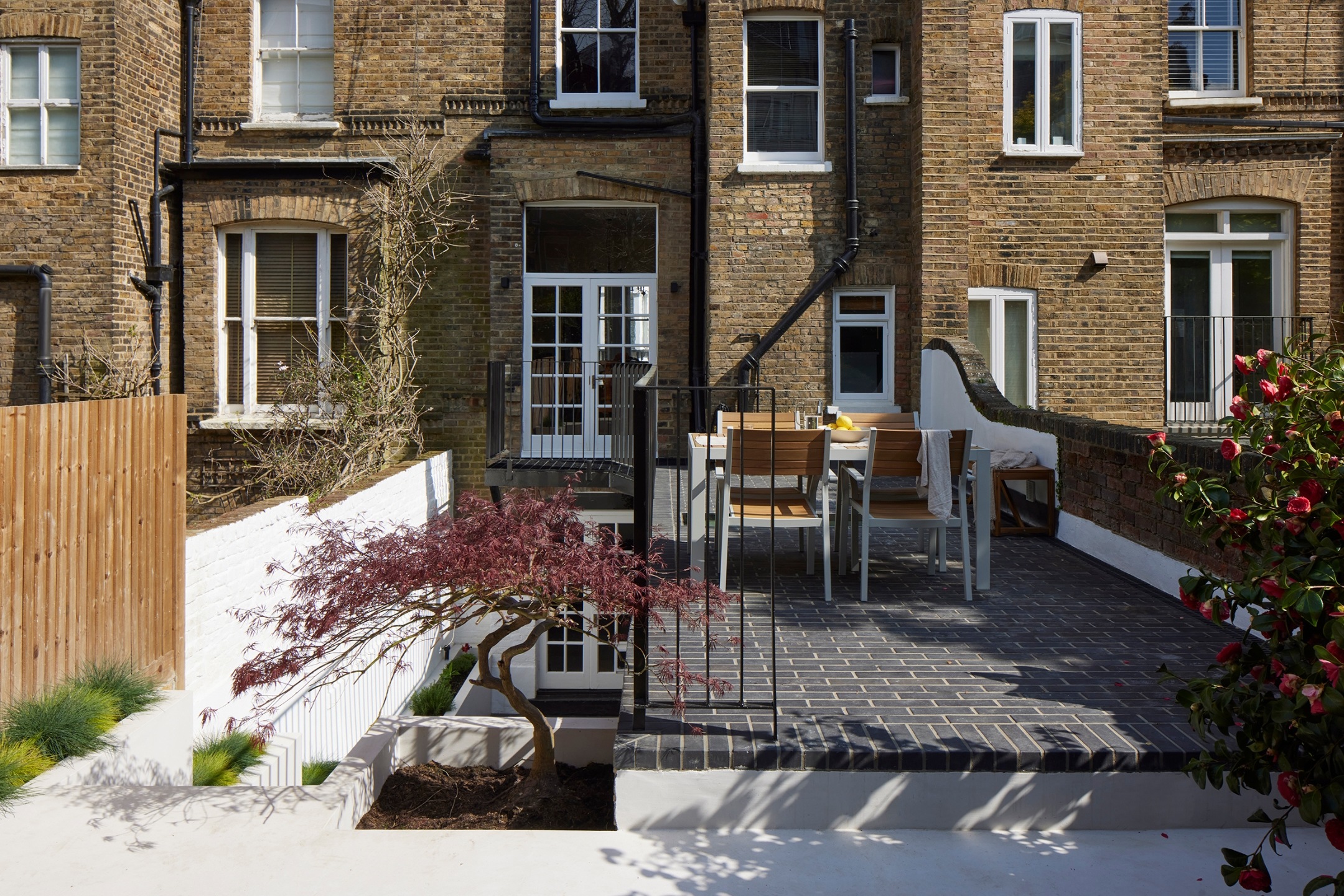
“You put in whatever skylights you need, and the garden stays almost unchanged on top – you just need a metre of soil and proper drainage.
“In some cases, particularly with perimeter or garden-level basements, you can dramatically increase the usable floor area, far beyond what a modest rear extension would allow.
“In high-value London areas, basement extensions often strengthen long-term property value, particularly where space is at a premium – it’s more discreet, too.
“When you do a rear extension, you run into far more issues with materials, glass, light, balconies, overlooking neighbours – it never ends!”
The logistics of excavation
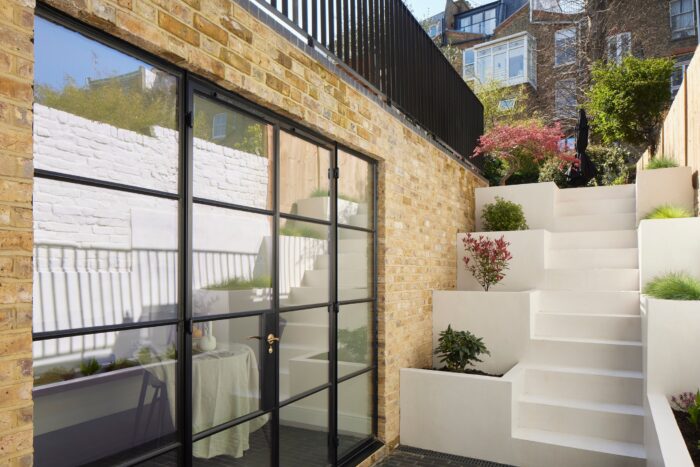
Image copyright: Brosh Architects
Of course, some properties are better suited to basement extensions than others – a point Lior recommends considering carefully.
“If you have a standalone home in the countryside somewhere, you likely have more flexibility with different styles of extensions, so a basement extension might not be worthwhile for you.
“Building down is best suited to people who live in terrace housing and in urban areas with restricted space around them.
“I should also add that you don’t need a basement already to be able to build down and extend your home.
“If you have no basement whatsoever, you can likely still build down.
“Another important consideration is that most basement extensions require the property to be vacated during the main structural works.
“It’s not just an extension – it’s an excavation, so you might have to excavate for several months.
“Few contractors are willing to undertake prolonged underpinning and excavation beneath an occupied home due to the practical and safety implications.
“So, you need to be prepared to have a bit of money saved for a place to live while the work’s being done.”
Hiring the right team for the job
“On every project I take on, I keep in mind that for me as the architect, basement extensions are a financial undertaking.
“For the homeowner, it’s both financial and emotional. But for the neighbour, it’s purely emotional.
“So you have to understand that you’re involving yourself in other people’s homes and be mindful of that.
“I also only work with builders I’ve known for years – I would never work on an extension – or even a shelf – with someone I don’t know.
“You can’t take a 200-year-old house, which doesn’t take well to vibration and has lots of original features, and mess about with a team you can’t trust.
“I’m not going to put myself, or the homeowner and their neighbours, under that level of stress because someone took a shortcut.
“You can’t rationalise with someone who has a ‘half-job’ mindset.
“My advice is simple: do your due diligence.
“Basement projects are complex and require an experienced, properly qualified team with a proven track record in this type of work.”
The final verdict

Image copyright: Brosh Architects
“Basement extensions can be hard work, but they often offer greater long-term spatial value because they allow you to create significantly more usable area.
“Well-designed projects can strengthen overall property value, subject of course to market conditions when people do decide to sell and move on.
“The most important thing is to listen to your instincts and hire the right team for the job, because you’ll be investing a lot of money and emotion into this project.
“When I first meet with potential clients, I always tell them to see another architect, see another three architects.
“Find someone you can talk to, who listens to you and sees your vision.
“If you can get that in place, then fire away and build down.
“Sleep peacefully and let the professionals take care of you and your home.”