Engineering beauty in every detail
Origin provide elegant door and window solutions without comprimising on quality
PROMOTIONAL FEATURE
When planning a renovation, extension or self-build, the biggest architectural decisions tend to command the most attention. The layout, roofline, materials, and relationship between the new and existing spaces all have an obvious impact on the finished home. Yet it is often the details that determine whether a project feels merely complete or genuinely resolved.
Windows and doors are a case in point. Their primary role may be to introduce daylight, frame views, improve thermal performance and establish a connection between the interior and garden, but their contribution to the architecture goes much further. Frame proportions, sightlines, finishes, hardware and the way each opening sits within the building envelope can all influence the character of a home.
For Origin, this relationship between aesthetics and performance is expressed through engineering beauty: an approach in which precision engineering, considered design and attention to detail work together. The result is a range of glazing that is designed to perform, while also being integral to the architecture.
Creating a coherent architectural language
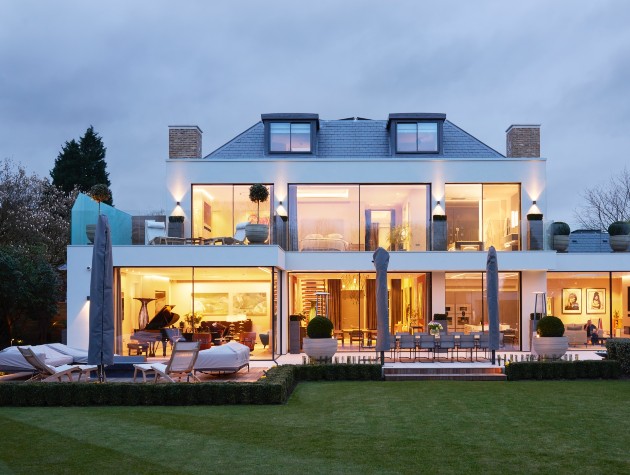
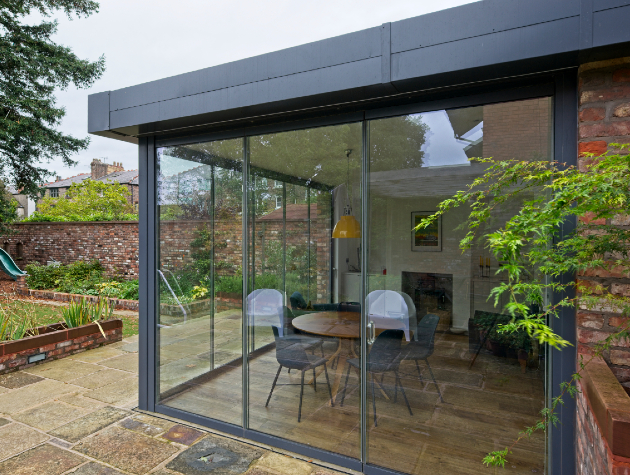
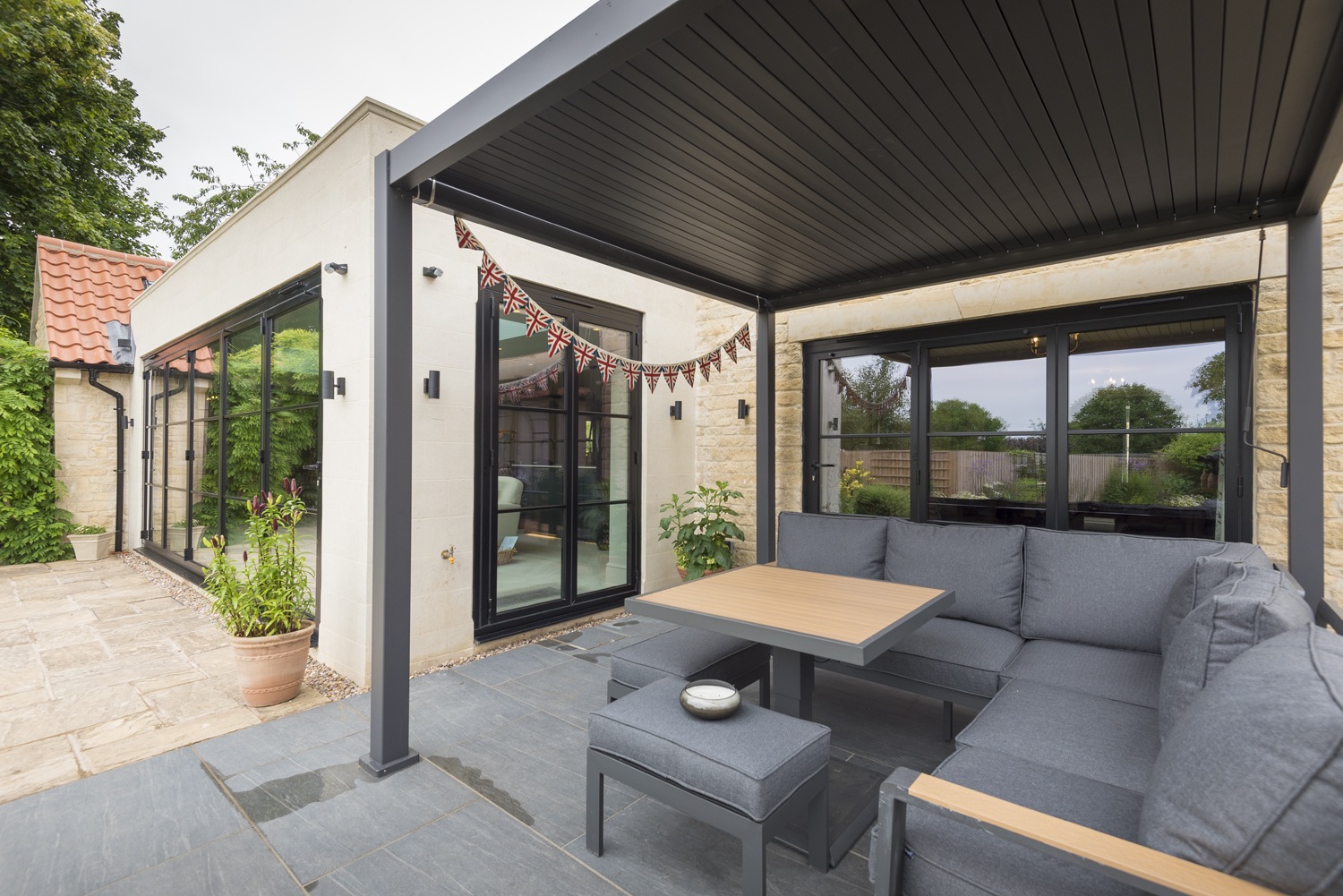
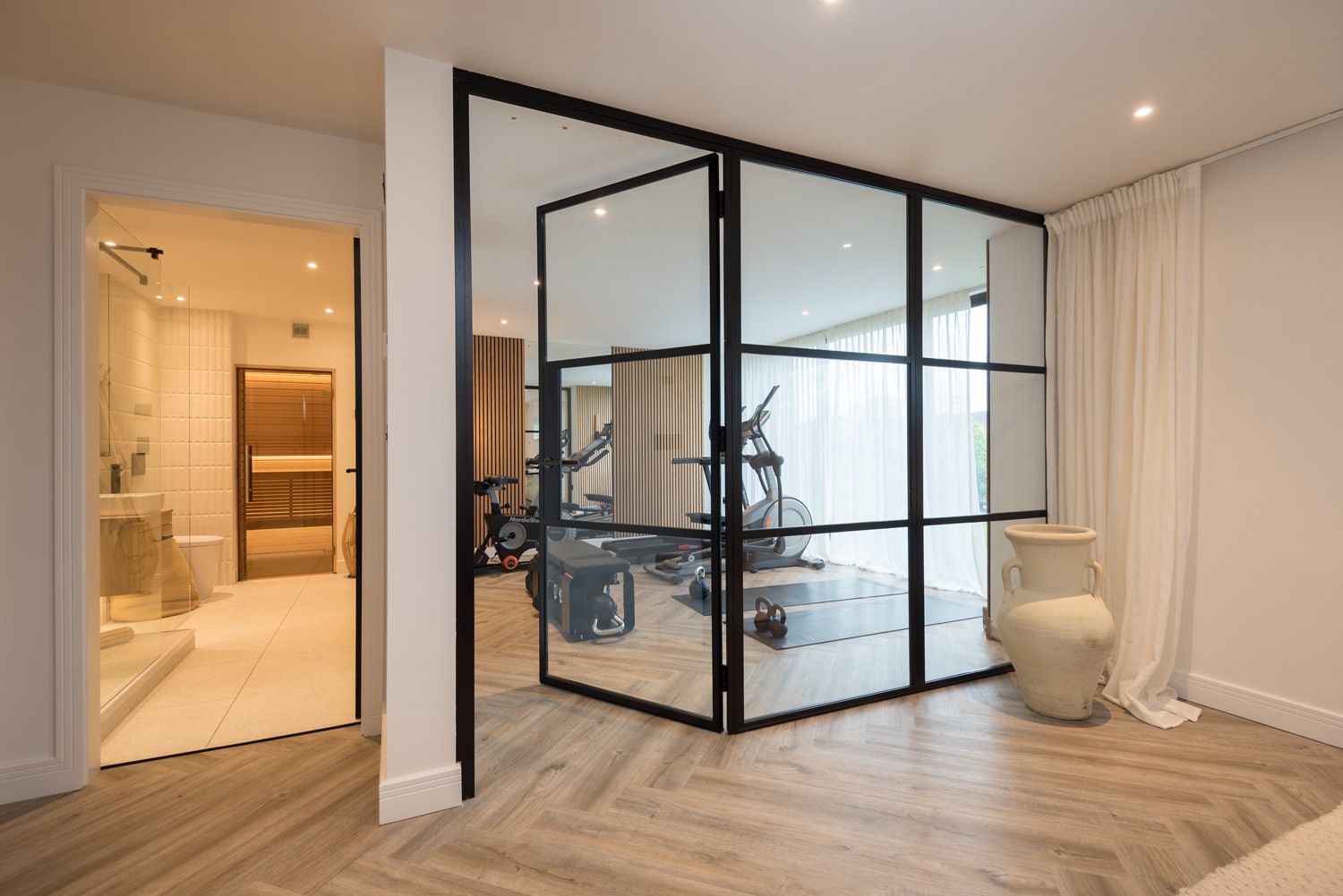
Contemporary homes rarely rely on a single type of glazing. A project might combine expansive sliding doors opening onto a terrace with bi-folding doors connecting a kitchen to the garden, alongside casement windows, a tilt-and-turn window or fixed glazing elsewhere. Internal glazing can then extend the same visual language into the heart of the home.
With so many elements contributing to the overall composition, consistency becomes important. Differences in frame proportions, sightlines, hardware or finishes can make a carefully designed scheme feel fragmented. Conversely, coordinating these details can create a quiet sense of continuity, allowing the glazing to complement rather than compete with the architecture.
This is why a whole-house approach can be so effective. Rather than treating each window and door as an isolated specification, considering them collectively allows the same design principles to flow throughout the property, from the front elevation to the garden room and from external openings to internal partitions.
The approach is equally relevant to a minimalist new-build, a contemporary extension or a sensitive period renovation. The architectural language may differ, but the underlying principle remains consistent: every element should feel as though it belongs.
Colour as an architectural tool
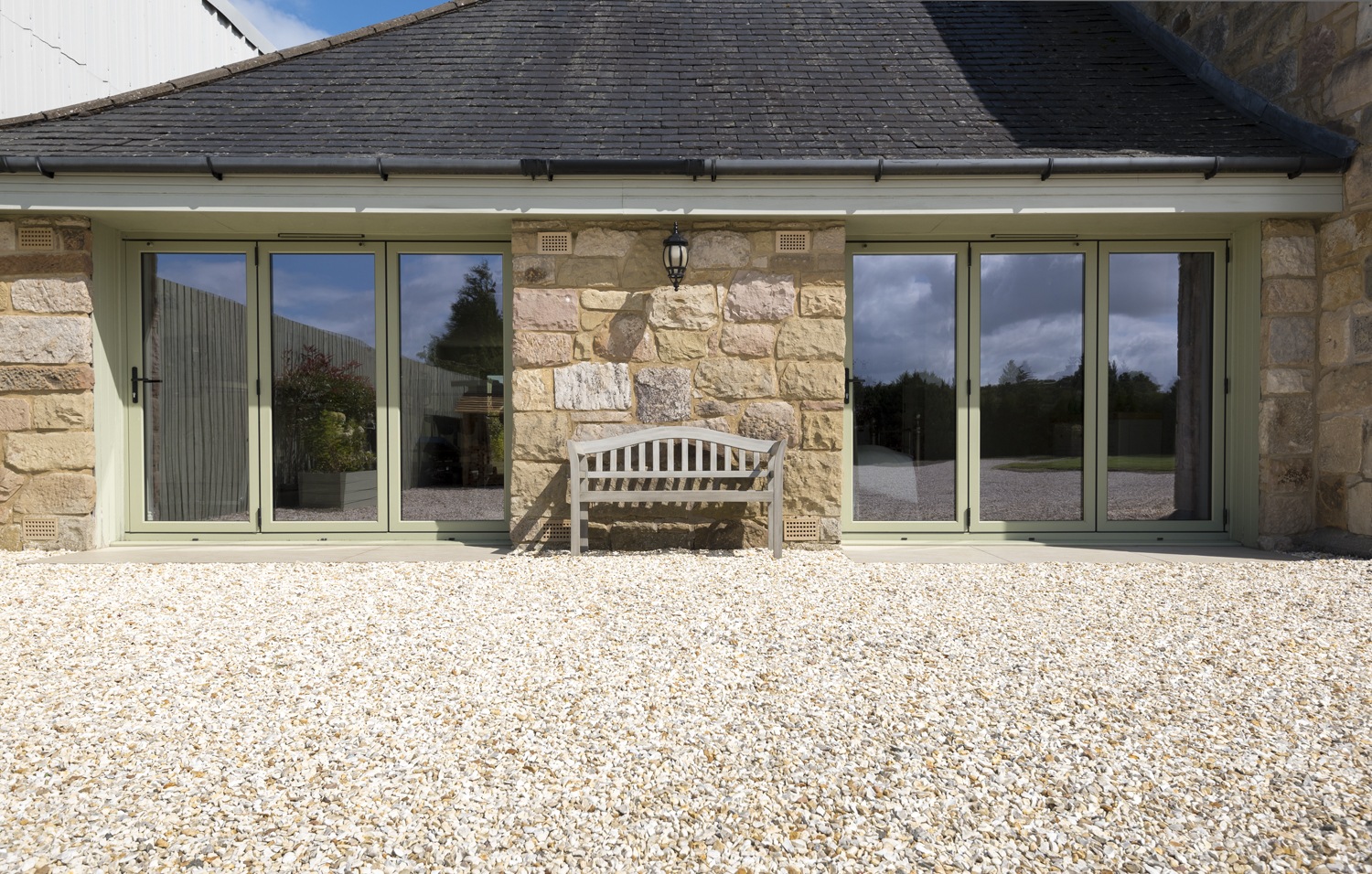
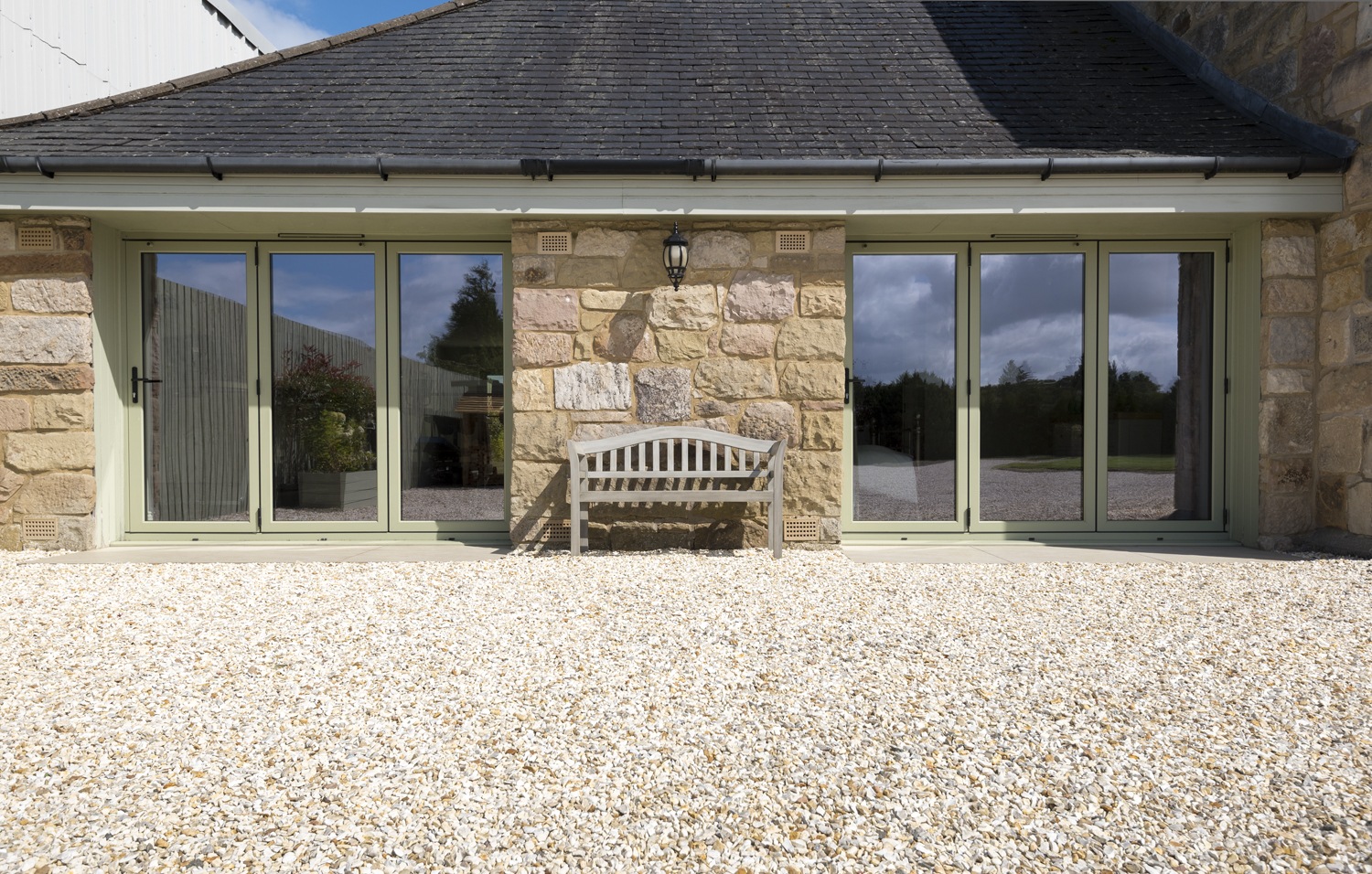
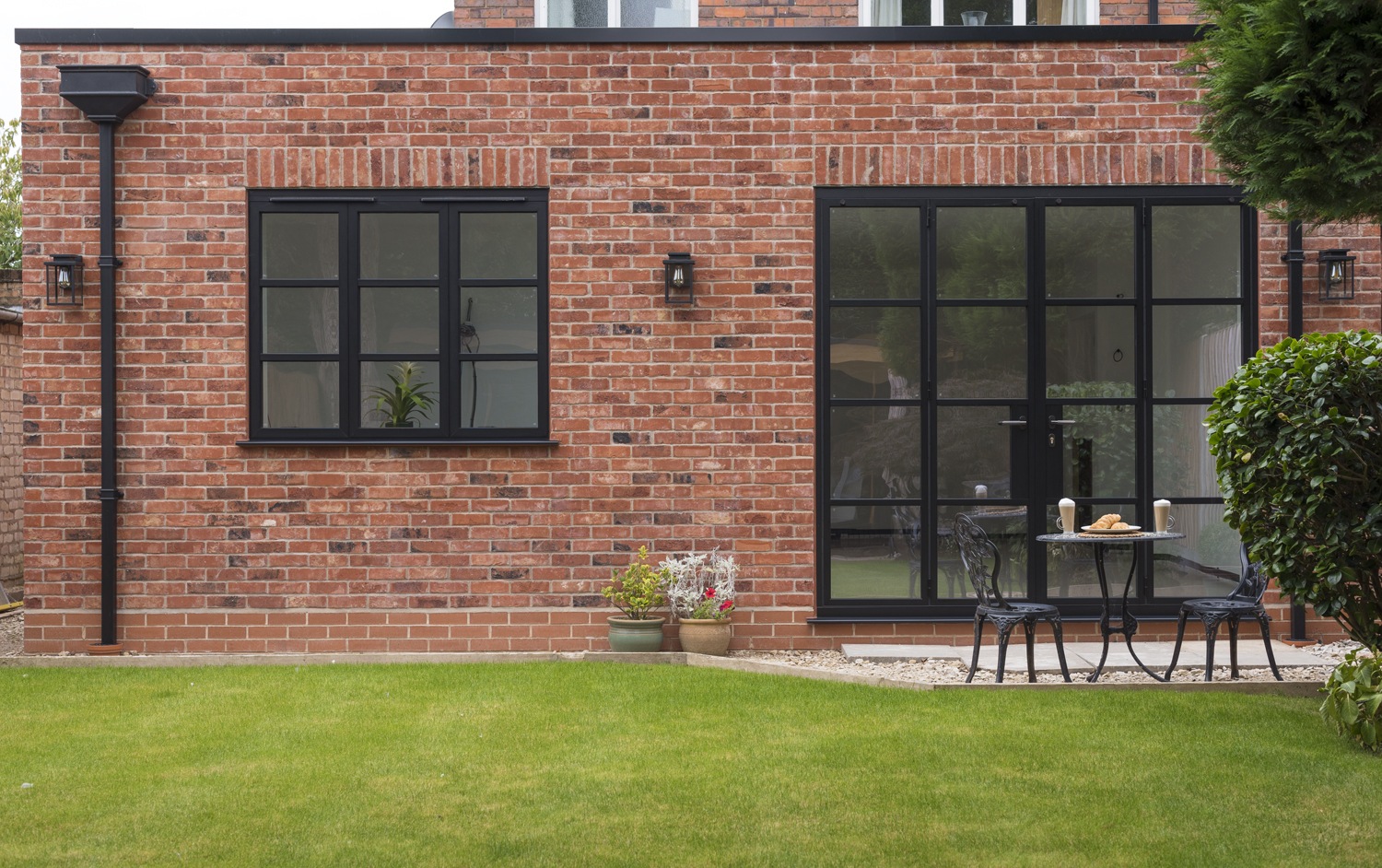
Colour is one of the most immediate ways to shape the appearance of glazing. A dark frame can create a crisp architectural contrast against pale render, while a softer tone can allow a window or door to sit more subtly within brick, stone or timber.
The choice does not have to be purely about making a statement, either. Colour can be used to reinforce existing architectural features, echo interior finishes or create a visual link between the inside and outside of a property.
Consistency, however, is crucial. When several glazing products are positioned within the same space or across a single elevation, subtle differences in colour and finish can become surprisingly apparent. A carefully considered palette therefore needs to extend across the entire specification.
Origin‘s in-house powder coating facility provides control over the finishing process across its range. With more than 150 RAL colours available, as well as matt, gloss, satin and textured finishes, homeowners and designers have considerable freedom to develop a palette that suits the architecture.
Whether the aim is understated and tonal or deliberately distinctive, the opportunity to coordinate finishes means colour can become part of the architectural design rather than an afterthought.
Beauty in every detail
Some of the most influential design decisions are also those homeowners encounter every day.
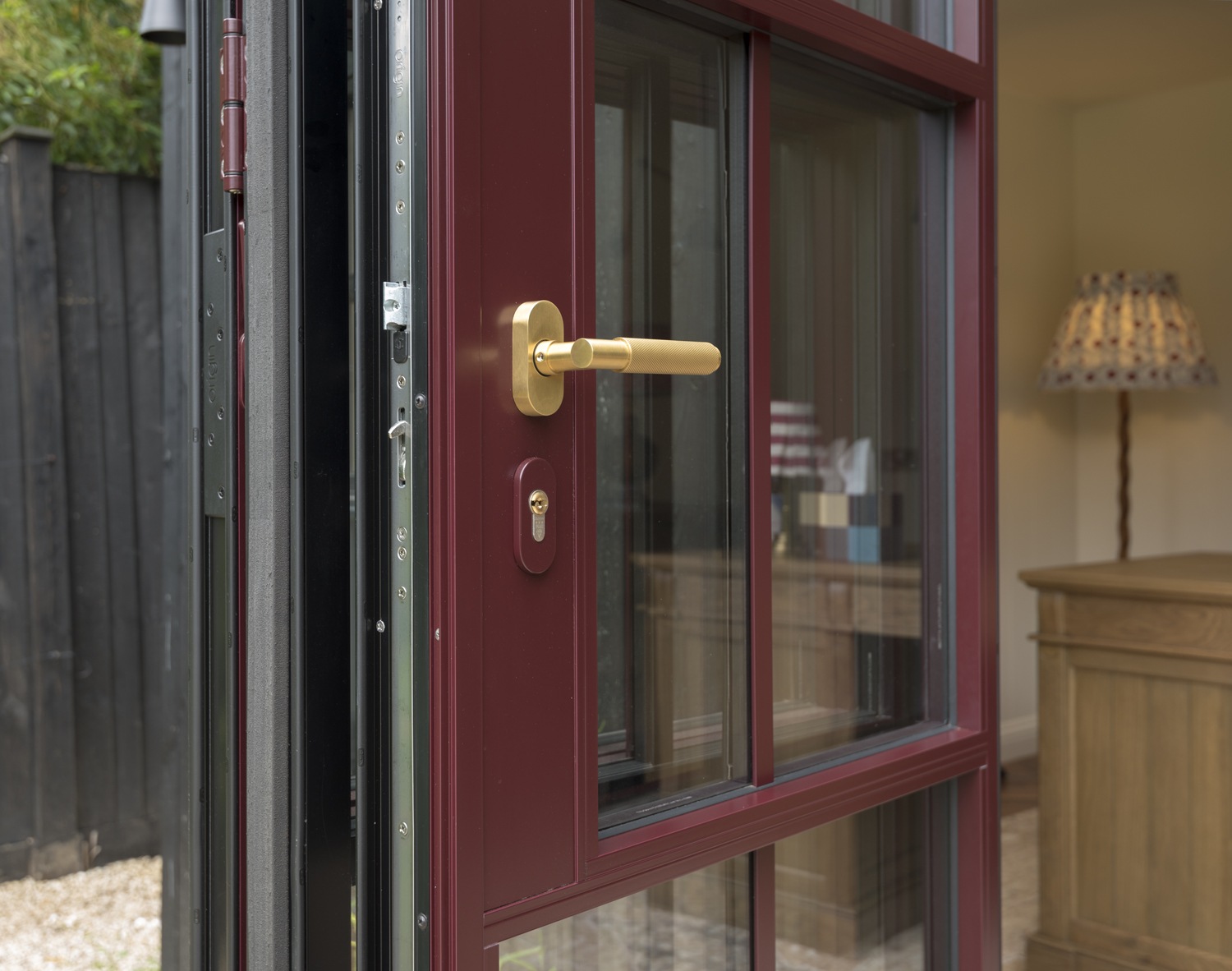
Hardware, particularly handles and hinges, may appear relatively minor when compared with a roofline, façade or expansive glazed opening. Yet these are the components that are seen, touched and operated repeatedly. Their appearance and tactile quality therefore contribute directly to the everyday experience of the home.
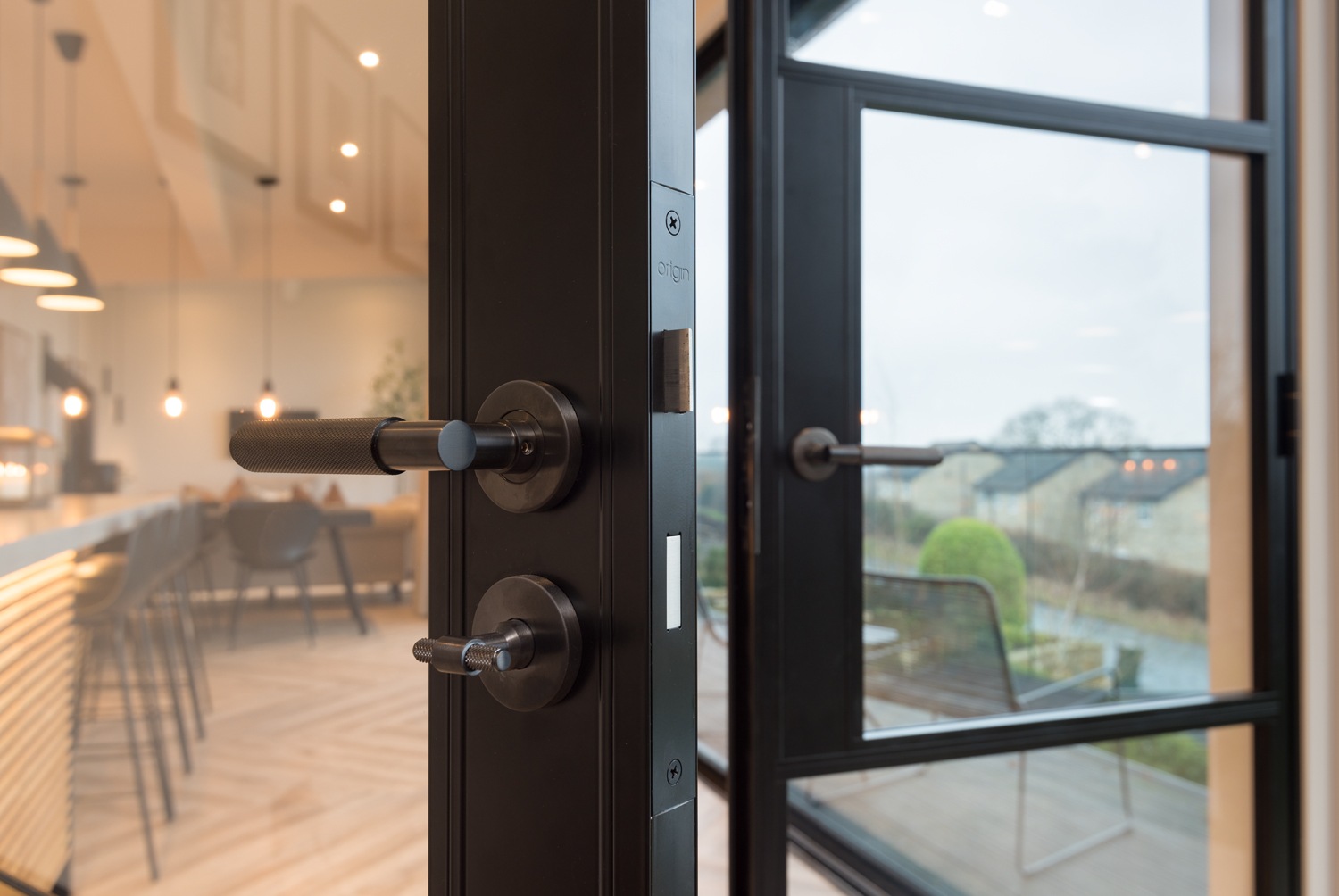
Origin’s signature Knurled handles demonstrate how a functional component can also become a considered design feature. Their textured finish introduces visual detail while creating a distinctive tactile experience when opening and closing a window or door.
This illustrates a wider principle of Beauty in every detail. Good architectural design is not simply about how a home looks in photographs. It is also about how individual elements feel in use and how consistently the design language is carried through the spaces people occupy every day.
Proportion matters
Refined glazing is rarely the result of one dramatic feature. Instead, it comes from the relationship between numerous smaller decisions.
The balance between frame and sash, the depth of profiles, the positioning of hardware and the alignment of sightlines can all influence how a window or door appears once installed. When these elements are proportioned carefully, the finished result can feel calm, precise and architectural.
This becomes particularly important where different glazing styles are combined. A large set of bi-folding doors may sit alongside traditional casement windows, for example, while sliding doors provide another route into the garden. Although each performs a different role, maintaining consistency in their detailing helps them read as part of the same composition.
For design-conscious homeowners, this can be the difference between a collection of individually attractive products and a genuinely cohesive glazing scheme.
Precision engineering behind the appearance
Aesthetics are only one part of the equation. Modern windows and doors are expected to deliver reliable performance, durability and smooth operation, meaning the engineering behind the finished appearance matters just as much.
Hinge positioning, opening mechanisms, manufacturing tolerances and the precision with which individual components come together can all affect the experience of using a window or door. When engineered correctly, these elements become almost invisible. The opening feels intuitive, movement is smooth and the product simply performs as expected.
The Origin tilt and turn window, for example, combines two opening functions within a single design. It can open inwards for ventilation or tilt to provide a more controlled flow of air, offering practical flexibility while maintaining a clean appearance.
It is an example of how being designed to perform does not have to mean compromising on aesthetics. Instead, functionality can be incorporated into the design from the outset, ensuring the engineering supports the architectural vision.
When hardware becomes part of the architecture
The same philosophy applies to the smaller components that make glazing work.
Handles and hinges are not merely technical necessities. Their shape, finish, position and relationship with the surrounding frame can all affect the appearance of an opening. Because these components are encountered at close quarters, their design can also influence how substantial or refined a window or door feels.
This is where attention to detail becomes particularly important. A carefully specified handle can complement the profile of a frame, while a consistent finish can help connect different glazing products throughout the house.
For a renovation or self-build where every architectural decision has been considered, these details can prevent the final specification from feeling generic.
From specification to architecture
The most successful glazing schemes are those in which aesthetics and performance are considered together rather than treated as separate priorities.
Frame proportions, sightlines, colours, hardware and opening mechanisms all contribute to the finished result. When they are coordinated, glazing becomes more than a practical means of bringing light and ventilation into a property. It becomes part of the building’s architectural identity.
That is the thinking behind Origin‘s approach, with its range of windows and doors manufactured to order in the UK and tailored to individual projects. From expansive external openings to smaller windows and internal glazing, the intention is to create a consistent design language while delivering the performance expected from contemporary glazing.
For homeowners embarking on a renovation, extension or self-build, it is a useful reminder that architectural quality is rarely found in one spectacular gesture. It is created through hundreds of decisions working together.
From the colour of a frame and the alignment of a sightline to the feel of a handle and the precision of an opening mechanism, each detail has a role to play.
Because when considered design, precision engineering and attention to detail come together, glazing does not simply fill an opening.
It becomes integral to the architecture itself.