Not all slim sliding doors are created equal
IDSystems range bring quality to a renovation project
PROMOTIONAL FEATURE
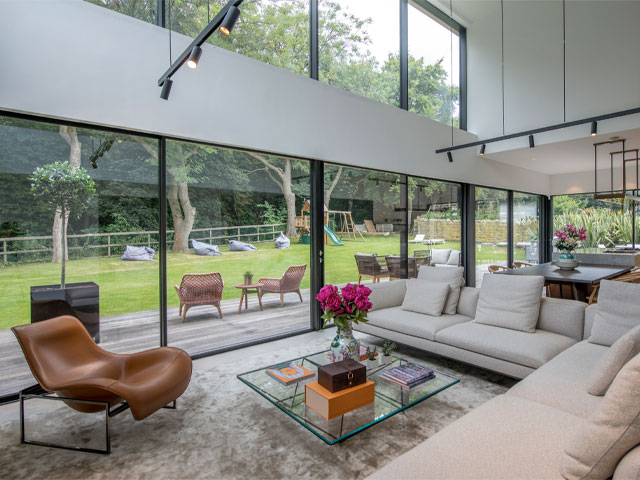
Slim sliding doors have become one of the most sought-after features in modern home renovation. Whether you’re building an extension, updating a kitchen, or creating a seamless connection between your home and garden, these expansive glazed doors promise uninterrupted views, plenty of natural light and a clean, contemporary look.
The popularity of slim-framed aluminium sliding doors has exploded. As a result, there are now countless systems on the market that appear remarkably similar at first glance.
While many products share the same minimalist styling, the differences beneath the surface can have a significant impact on how the doors perform, how long they last and how satisfied you’ll be years after installation.
IDSystems has been at the forefront of slim sliding door design since launching theEDGE, one of the first genuinely slim sliding door systems available in the UK.
Today, the range has evolved to include theEDGE2.0, featuring ultra-slim 20mm sightlines, alongside the SF80, a premium German-engineered system offering exceptional thermal performance with the option of triple glazing and impressively large glass panels.
If you’re comparing slim sliding doors for your renovation project, these are the features that really make the difference.
Thermal efficiency that works all year round
One of the biggest considerations for any large glazed door is how well it keeps your home warm in winter and comfortable in summer.
Years ago, aluminium had a reputation for being a poor insulator. Older frames could allow heat to escape, making large glazed openings less energy efficient than many homeowners wanted. Thankfully, aluminium technology has moved on dramatically.
Modern thermally broken aluminium frames are designed to prevent heat transferring through the frame itself, helping to retain warmth inside while improving overall energy efficiency. Combined with high-performance glazing, today’s premium sliding doors comfortably meet the increasingly demanding standards set out in Building Regulations Document L.
The SF80 is an excellent example of how far sliding door technology has progressed. With overall U-values from 1.2W/m²K using double glazing and as low as 0.8W/m²K with triple glazing, it delivers outstanding insulation while maintaining the slim appearance homeowners love.
For anyone looking to future-proof their home or create an energy-efficient extension, the SF80 is capable of achieving Passivhaus levels of thermal performance. It also provides exceptional protection against wind and driving rain, making it well suited to exposed locations as well as everyday family homes.
The result is a room that feels warmer during colder months, more comfortable throughout the year and potentially cheaper to heat.
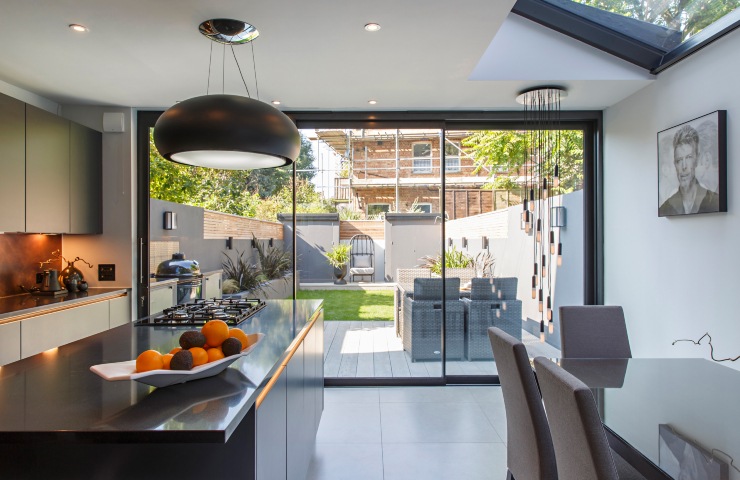
The glazing method you probably haven’t thought about
When choosing sliding doors, most homeowners naturally focus on the visible features such as frame size, colour and glass area. One important detail often goes unnoticed, however, and that’s how the glass is actually fitted into the frame.
Many slim sliding systems use structurally bonded glazing, where the glass is permanently adhered to the aluminium frame using specialist adhesives. This creates a clean appearance but can present challenges if the glass ever needs replacing.
Although modern glazing is extremely durable, accidents do happen. A damaged pane, a failed sealed unit, or an unexpected impact can mean the glass needs replacing at some point during the doors’ lifetime.
With a bonded system, replacing the glass can be far more complicated, and in some cases the entire sliding panel may need replacing. If the product has been discontinued or the original manufacturer is no longer trading, this can become even more difficult.
Both theEDGE2.0 and the SF80 avoid this issue by using non-structurally bonded glazing.
Instead of adhesives, the glass is securely held in place using glazing beads. If replacement is ever required, the glass unit can simply be removed and replaced without replacing the complete door panel.
It’s one of those practical design decisions that most homeowners may never need to think about, but if the unexpected does happen, it can save considerable time, cost and disruption.
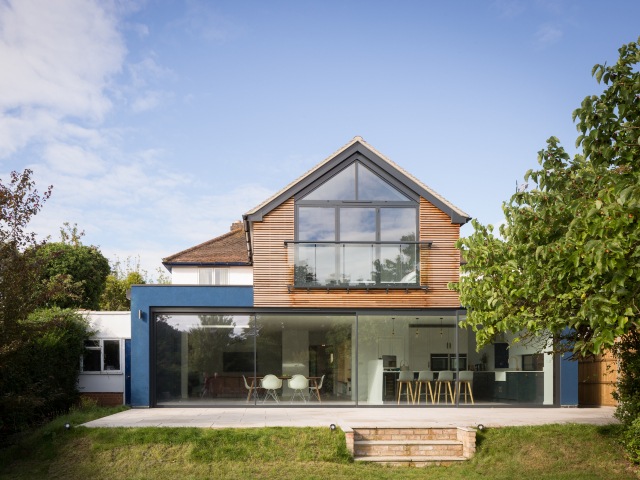
Smooth operation starts with what’s hidden underneath
A slim sliding door might look stunning when it’s first installed, but how it feels to use every day is just as important.
The largest glass panels can weigh several hundred kilograms, so the quality of the running gear plays a huge role in determining how effortlessly the doors slide.
Because the mechanism is hidden within the bottom track, it’s easy to overlook when comparing products. Yet this unseen component can make all the difference over the years.
Some systems continue to rely on nylon wheels. While perfectly adequate initially, nylon can gradually wear, flatten or deform under the constant weight of heavy glass panels. Over time, this can lead to increased friction, making doors feel heavier and less refined to operate.
IDSystems takes a different approach.
Both theEDGE2.0 and the SF80 feature precision-engineered quad-carriage stainless steel running gear. Four stainless steel wheels run smoothly along a stainless steel track, providing exceptional strength, long-term durability and consistently smooth operation.
Even with very large glass panels, the doors continue to glide effortlessly with minimal effort.
It’s a feature you won’t necessarily notice in a showroom, but you’ll certainly appreciate every time you open the doors to the garden.
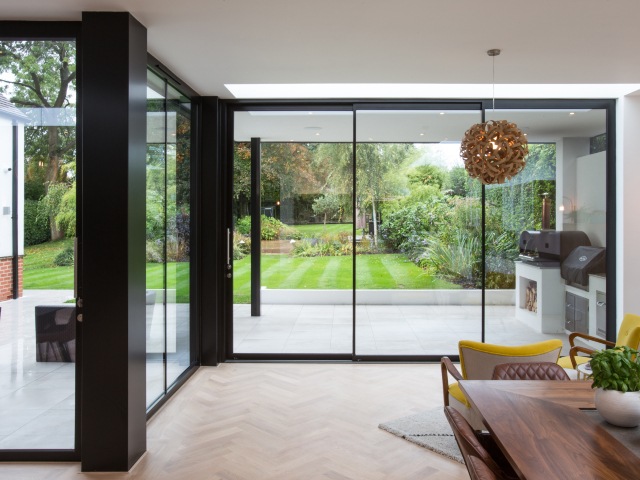
Slim frames aren’t just about what you see from the front
When homeowners compare slim sliding doors, one figure often gets all the attention: sightline width.
The narrower the visible frame between two panes of glass, the more glass there is and the less aluminium interrupts the view. It’s an important measurement, but it doesn’t tell the whole story.
Frame depth is equally important.
Some competing systems achieve narrow sightlines by adding bulky reinforcing sections around the outer frame to provide structural support. Viewed head-on, they can look impressively slim, but from almost any other angle the additional reinforcement becomes obvious, creating a much chunkier appearance.
TheEDGE2.0 and the SF80 have been engineered differently.
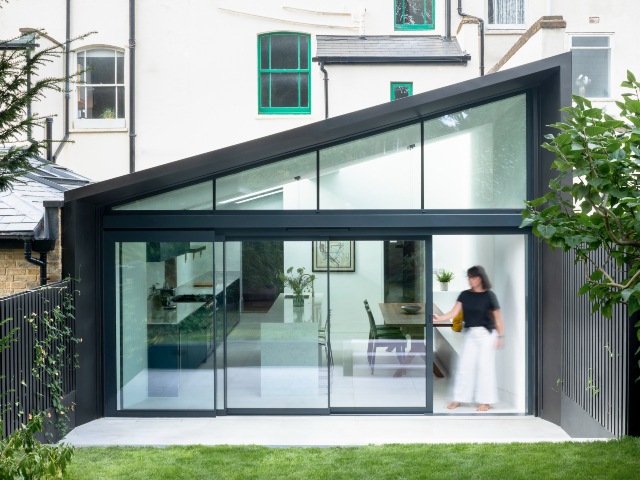
TheEDGE2.0 combines incredibly slim 20mm sightlines with a frame depth of just 59mm, while the SF80 offers 30mm sightlines and an 80mm frame depth.
Just as importantly, neither system requires external reinforcing profiles, allowing the doors to maintain their sleek appearance from every angle.
Whether viewed from inside the room, outside on the patio or from the side, the clean, minimalist styling remains consistent.
That attention to detail helps create the uninterrupted glazed elevations that have become such a defining feature of contemporary home design.
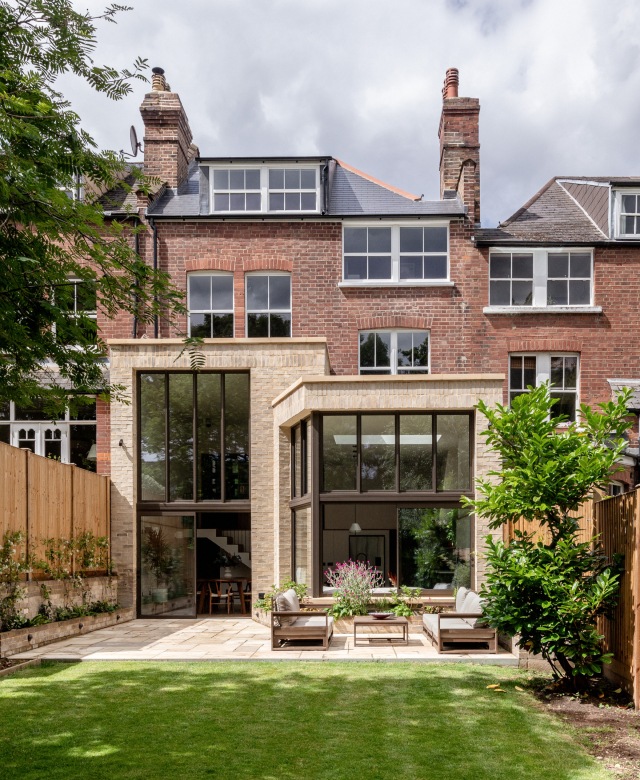
Designed around your project
No two renovation projects are exactly alike, and your sliding doors shouldn’t force you into a standard layout. One of the biggest advantages of premium sliding systems is their flexibility.
Whether you’re replacing existing patio doors or designing an entirely new extension, the configuration options available can dramatically change how your living space functions.
TheEDGE2.0 accommodates between one and eight sliding panels, with individual panel widths ranging from 800mm up to 3000mm.
The SF80 offers two to six panels, with exceptionally large individual panel widths of up to 4000mm.
This flexibility allows homeowners, architects and designers to create almost any arrangement imaginable.
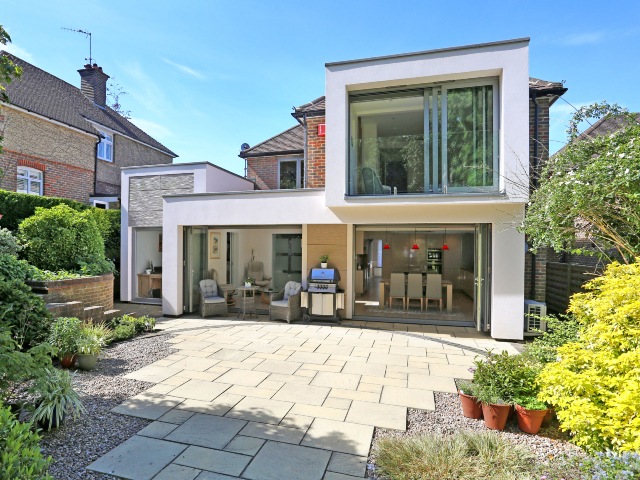
Popular options include classic three-panel sliding doors, wide four-panel designs, open corner installations without fixed corner posts, pocket doors that disappear completely into the wall and combinations incorporating fixed glazing alongside the sliding panels.
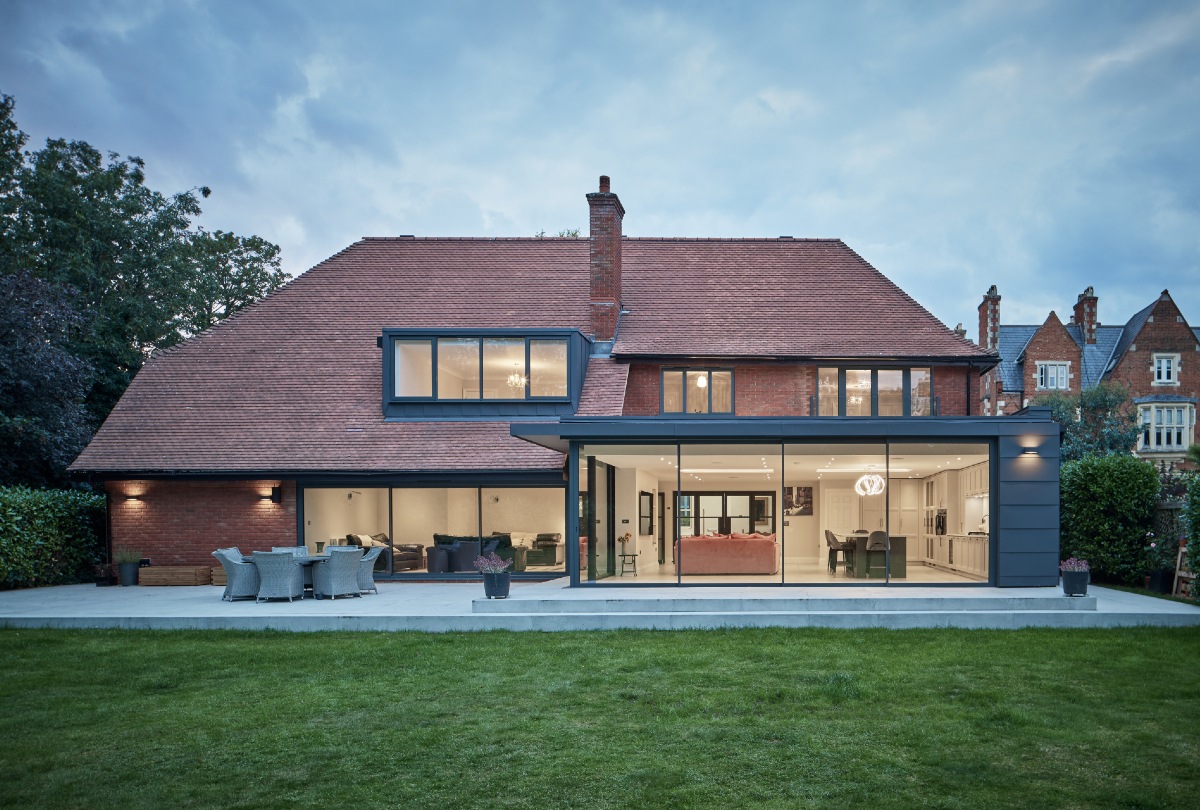
Glass-to-glass corner installations can also create dramatic architectural features while flooding interiors with natural light.
With complete door systems stretching up to 24 metres across, these configurations allow entire walls to become glazed, blurring the boundary between inside and outside while making the most of every available view.
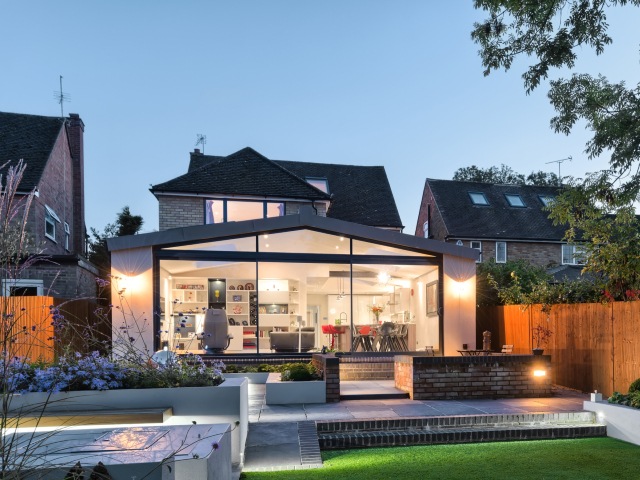
More glass, more light, better living
One of the biggest reasons homeowners choose slim sliding doors is the lifestyle they create.
Replacing a traditional wall with expansive glazing instantly transforms a room, allowing daylight to reach much deeper into the home while creating a stronger visual connection with the garden.
The slimmer the frames, the less they interrupt those views.
Large sliding panels also make entertaining easier during warmer months, creating wide openings that allow family and guests to move naturally between indoor and outdoor spaces.
Whether you’re enjoying a summer barbecue, relaxing on the patio or simply watching the seasons change, slim sliding doors help make the garden feel like a genuine extension of your living space.
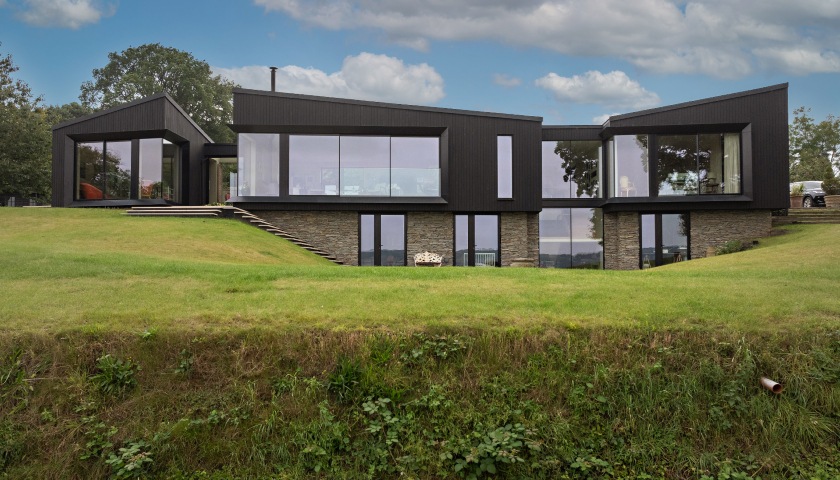
Looking beyond first impressions
It’s easy to understand why so many slim sliding door systems appear interchangeable when browsing brochures or scrolling through websites. After all, most manufacturers promote narrow frames and large areas of glass.
However, the real differences only become apparent when you look beyond the headline measurements.
Thermal efficiency affects how comfortable your home will feel for years to come. The glazing method determines how practical future maintenance could be. Running gear influences how smoothly the doors operate every single day, while thoughtful frame design ensures they remain visually slim from every angle—not just in carefully chosen photographs.
Finally, the flexibility to create bespoke configurations that IDSystems provides means your sliding doors can be designed around your home, rather than your home having to fit the doors.
For homeowners investing in a renovation or extension, these details are worth considering before making a decision.
After all, slim sliding doors aren’t simply about creating a beautiful view. They’re a long-term investment in how your home looks, feels and performs for decades to come—and choosing a system that combines elegant design with high-quality engineering can make all the difference.