Create a garden room to use all year round
Tiger Modular gives 6 things to look for in a garden room
PROMOTIONAL FEATURE
From sophisticated garden offices and gyms to creative studios and guest accommodation, today’s garden rooms can offer far more than an extra room at the end of the garden. Here’s what to consider when choosing a high-quality space designed for everyday living.
A well-designed garden room can transform an underused part of a property into one of its most versatile spaces. Whether the brief is a peaceful garden office, a dedicated garden gym, an inspiring creative studio or somewhere comfortable for guests, the best garden rooms are designed around how people actually live.
For homeowners investing in a substantial garden building, appearance is only part of the equation. Construction quality, insulation, materials, flexibility and the installation process all influence whether a room feels like a genuine extension of the home rather than an afterthought.
Tiger Modular creates British-made garden rooms from its Yorkshire workshop, combining modular construction with a design-led approach. Its three core collections, Certus, Verso and Nexus, offer different approaches to creating a high-quality outdoor space, while the newer Vita and Neo ranges extend the possibilities.
Here are six things to consider before choosing a garden room.
1. Start with how you want to use the space
The most successful garden room begins with its purpose.
A homeowner working from home may need excellent internet connectivity, plenty of power sockets, comfortable lighting and a quiet environment for video calls. Someone creating a garden gym might need hard-wearing flooring, additional ventilation and enough clear space for specialist equipment.
For creative hobbies, natural light could be a priority, while a guest space may require greater privacy and additional facilities.
Thinking about these requirements before the design is finalised makes it easier to create a room that works properly rather than trying to adapt it later.
This is where a modular garden room can be particularly useful. Rather than selecting a fixed-size building and working around its limitations, homeowners can specify elements such as glazing, doors, finishes and internal layouts around their intended use.
The result can be a multifunctional room that evolves with the household. Perhaps an office during the week, a workout space at weekends and a quiet retreat when work is finished.
2. Choose a room designed for year-round comfort
A garden room needs to be more than attractive in summer. For homeowners planning to use their investment throughout the year, insulation and construction are fundamental.
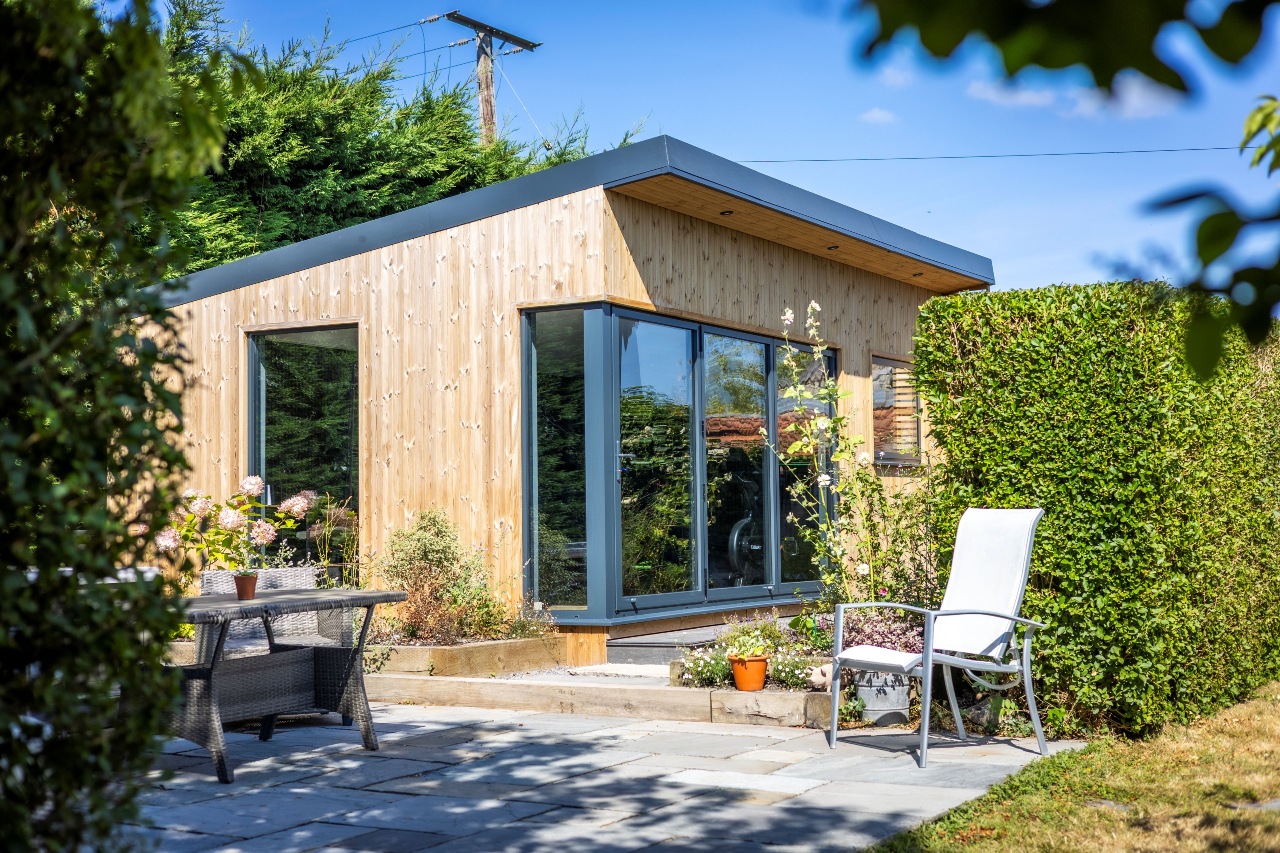
Tiger Modular’s core collections are designed as fully insulated spaces, with substantial wall, floor and roof insulation, alongside thermally sealed aluminium windows and doors and argon-filled toughened glazing.
That specification is important when creating a year-round garden room. A properly considered building should feel comfortable whether it is being used for a January video call, a winter workout or a summer creative project.
Heating, ventilation, glazing and insulation should therefore be considered as part of the overall design rather than treated as optional extras.
For homeowners looking for an insulated garden room, this approach can make the difference between a building that is occasionally useful and one that genuinely becomes part of everyday life.
3. Find a design that belongs in the garden
A garden room may be separate from the main house, but it should still feel connected to the property and its surroundings.
Tiger Modular’s three core collections provide distinct starting points.
Certus: contemporary versatility
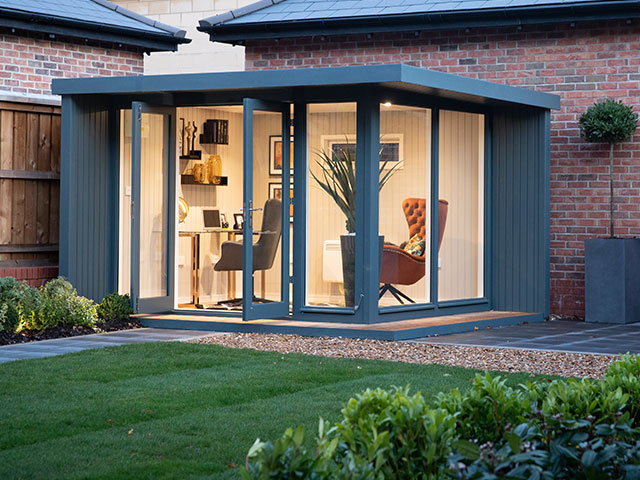
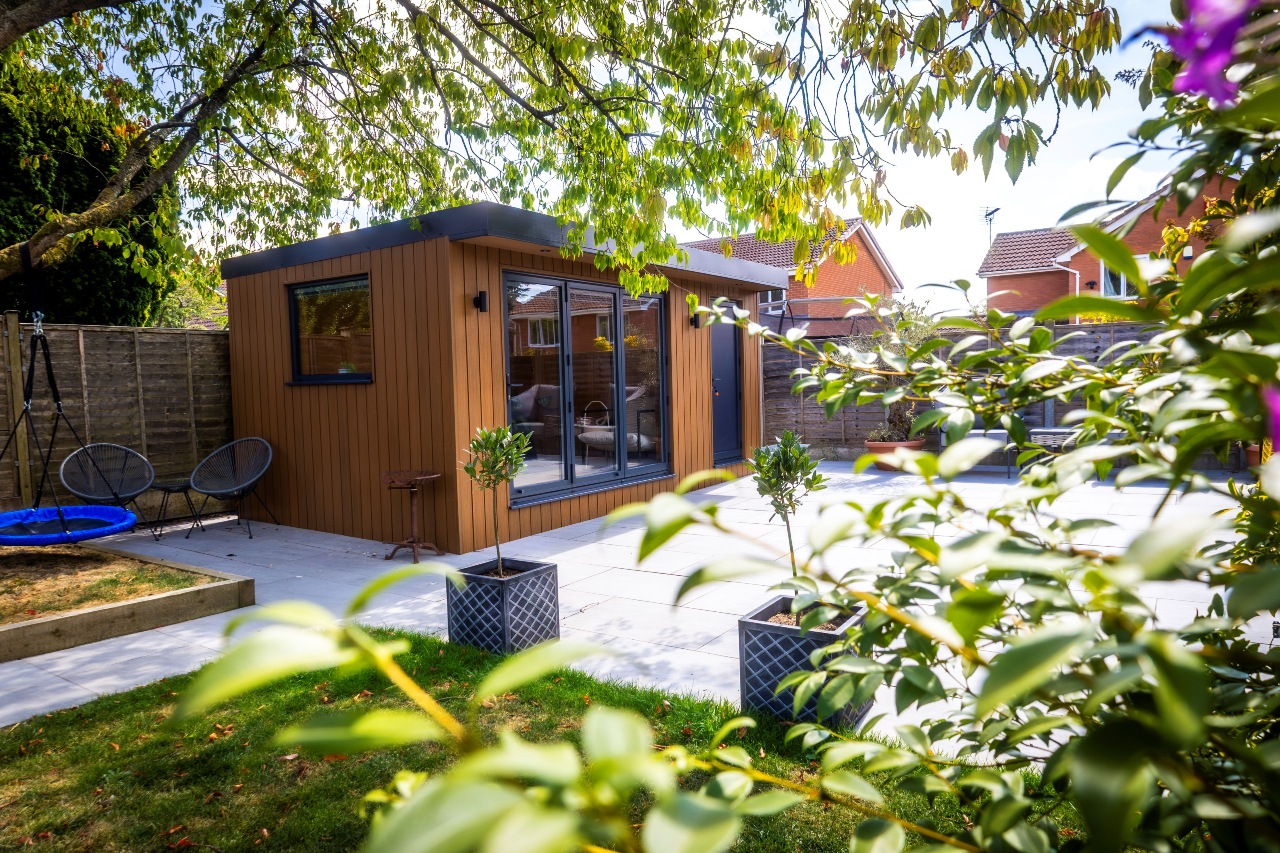
Certus is a clean, contemporary collection designed to work across a range of applications. Available in footprints from 9m² to 28m², it can accommodate everything from a compact garden office to a larger fitness, music or family space.
Cedar or Thermowood cladding gives the exterior a natural character, while a choice of interior wall panelling allows the room to be tailored to its intended use.
For homeowners looking for a versatile, high-quality garden building that can be personalised without becoming overly complicated, Certus provides a considered foundation.
Verso: design-led architecture
For those placing a particular emphasis on architectural appearance, Verso offers a more distinctive aesthetic.
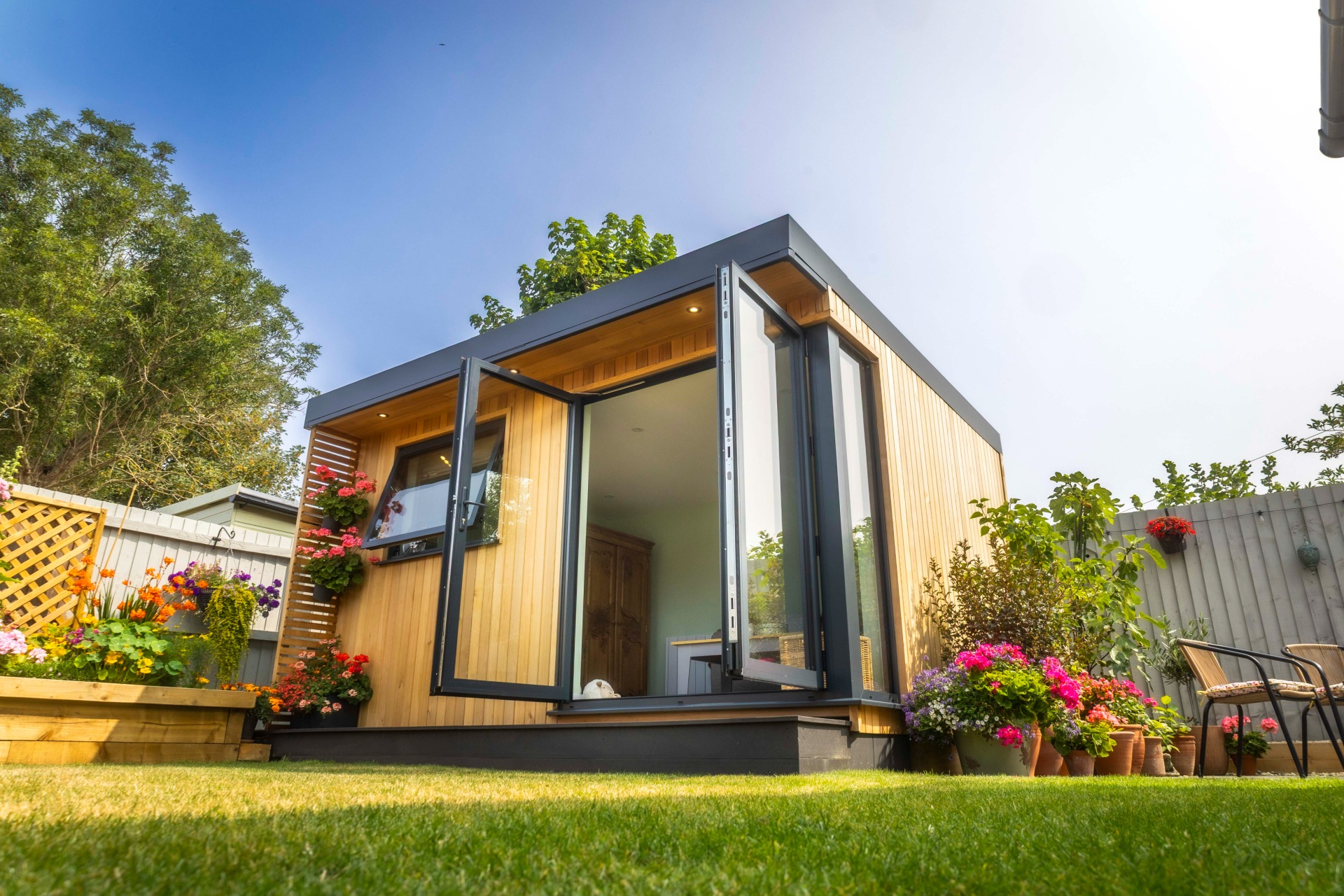
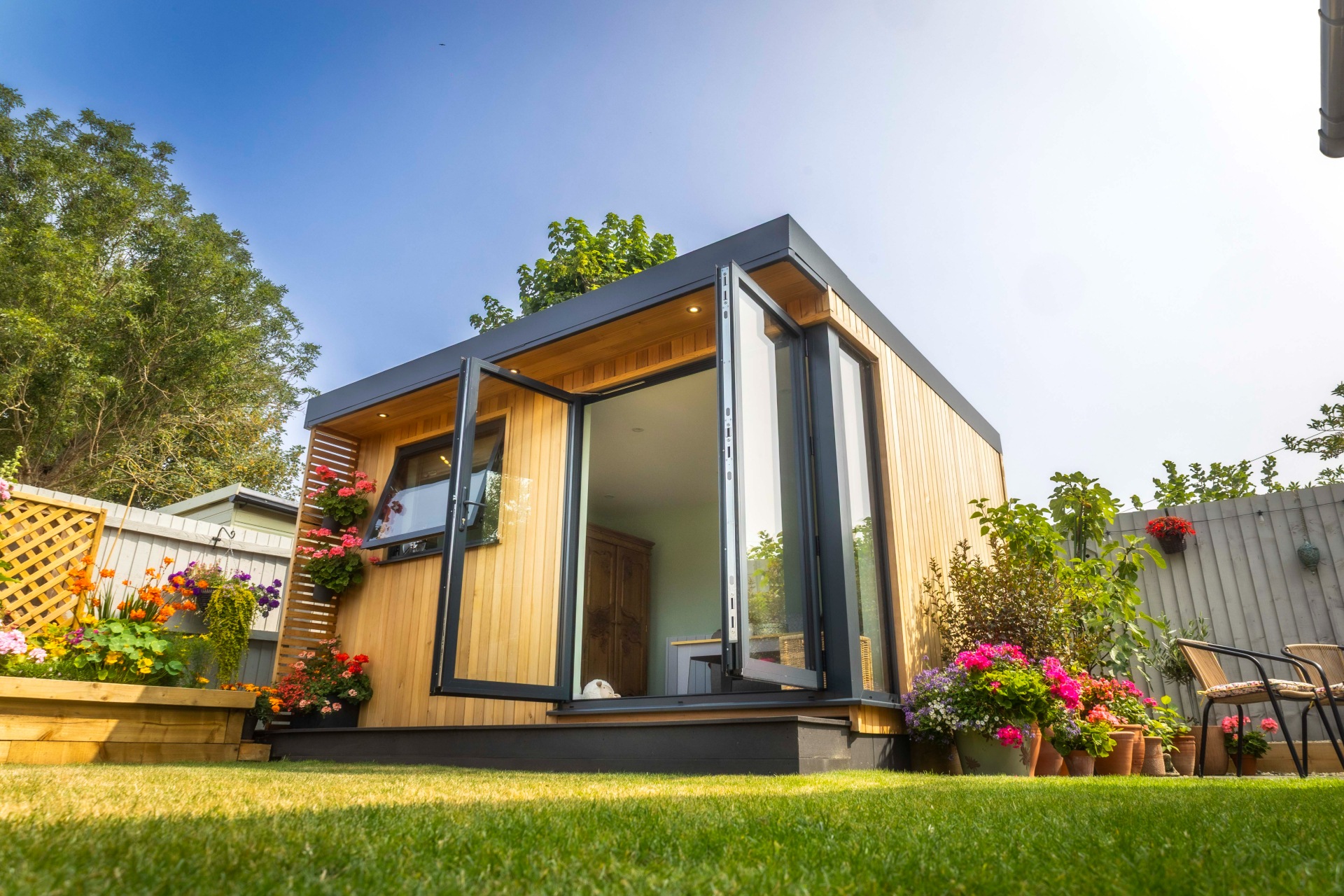
Its signature glazed corner brings additional natural light into the room, while a roof canopy with integrated spotlights and a slatted timber screen create a strong external silhouette.
Inside, plastered walls and ceilings provide a more conventional architectural finish, making Verso particularly suited to homeowners who want their garden building to feel like a carefully designed room rather than a traditional garden structure.
The result can be a sophisticated luxury garden room for working, entertaining, exercising or pursuing creative interests.
Nexus: combining room and storage
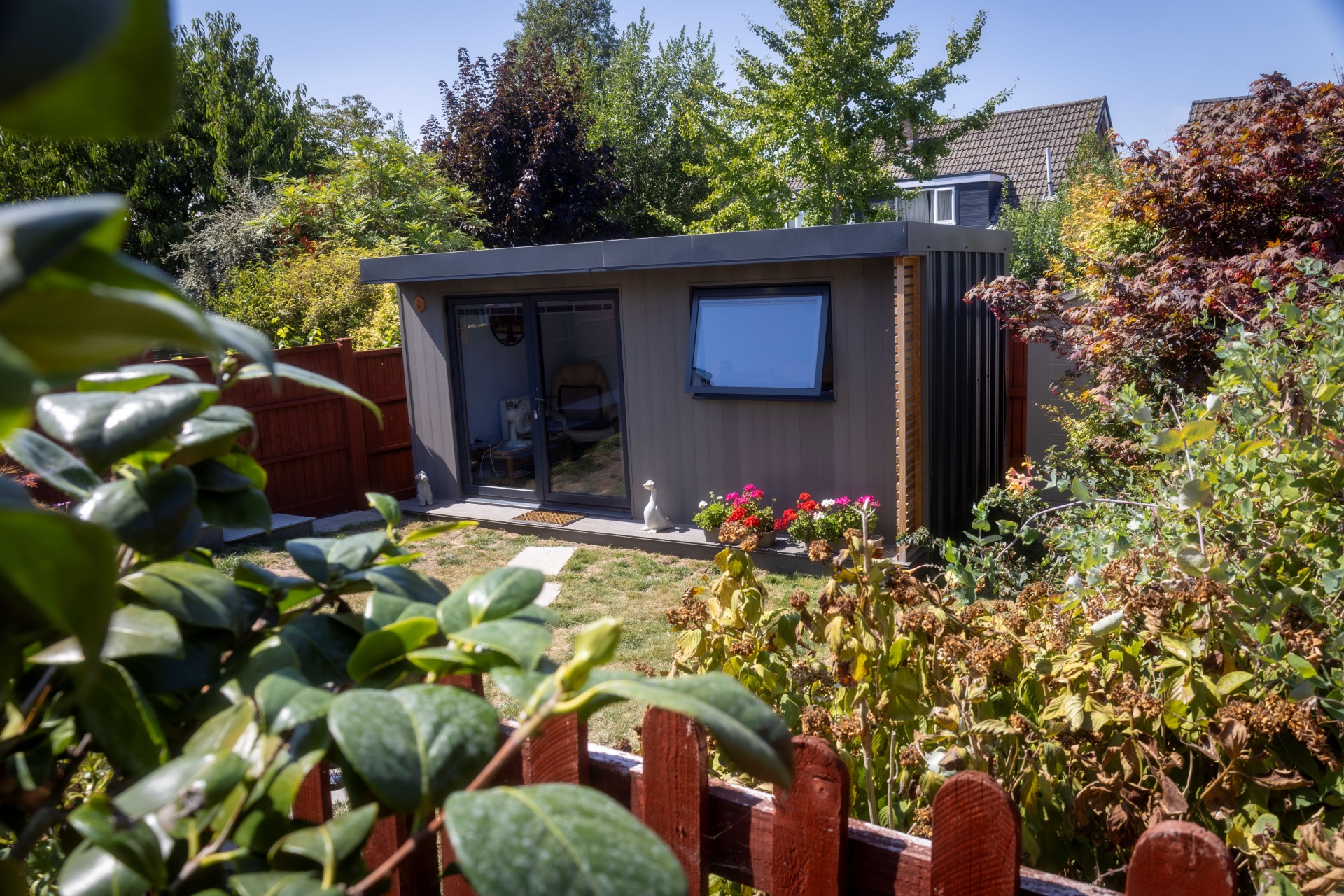
Nexus takes a different approach by combining a fully finished garden room with a separate insulated, OSB-lined storage space.
The additional store has its own door and enhanced security, providing somewhere for tools, bikes, gardening equipment or workshop essentials without compromising the main room.
For homeowners trying to maximise the usefulness of their garden, this combination can make practical sense. The main space can remain calm, uncluttered and dedicated to its primary purpose while storage is kept separately organised.
Across the collections, options for cladding, flooring, glazing and doors allow homeowners to create a building that complements the architecture of the property and the character of the garden.
4. Look beyond the finished appearance
Good garden room design should be matched by equally careful construction.
Modular construction allows much of the building process to take place away from the property, in a controlled workshop environment. For homeowners, this can help reduce the amount of disruption associated with creating additional space.
Tiger Modular uses low-impact ground screw foundations rather than traditional concrete foundations, while its rooms are constructed using ethically sourced timber.
The company states that standard projects typically take around four to six weeks from order to completion, with installation itself taking only days.
Guarantees are another important consideration when comparing garden rooms. Tiger Modular provides a lifetime structural guarantee, a 30-year roof guarantee and a 10-year guarantee on doors and windows.
These details matter because a garden room represents a significant investment. Looking beyond the styling and considering how a building is engineered, manufactured and installed can provide a clearer picture of its long-term value.
5. Make the process part of the decision
Even the best-designed bespoke garden room can become a frustrating project if communication and installation are poorly managed.
A smooth process should begin before construction. Design consultations, site surveys and detailed drawings can help establish exactly what is being built, while clear communication throughout installation can make the experience considerably easier for homeowners.
Tiger Modular’s process includes a design consultation, site survey and 3D design before manufacture begins, followed by installation and aftercare.
For a homeowner, this level of involvement can be particularly valuable when the project includes specialist requirements, from gym equipment and extensive glazing to air conditioning, additional storage or guest accommodation.
6. Consider whether you need more than a garden room
The idea of a garden room has expanded considerably. For some homeowners, the requirement is not simply for an additional room but for genuinely independent accommodation.
Tiger Modular’s Vita range responds to this demand as a garden annexe, providing a self-contained space incorporating a bedroom, kitchenette and shower room. Built to full building regulations, it can provide accommodation for guests or family members who want greater privacy and independence.
At the other end of the range, Neo offers a more accessible entry point. It is a fully insulated and weatherproof garden room designed for year-round use, supplied as a finished shell with an OSB-lined interior that can be plastered, panelled or left exposed.
Neo is available as either a professionally installed building or a DIY kit, giving homeowners greater choice over how they approach the project.
A garden room designed around real life
The appeal of today’s garden rooms is their ability to provide space that the main house may not have room for.
A garden office can create a clear separation between professional and personal life. A garden gym can make regular exercise more convenient. A studio can provide somewhere to paint, write or make music, while a carefully designed guest space can offer visitors privacy without requiring a house extension.
For homeowners looking for something more individual, a bespoke approach can accommodate specialist equipment, unusual layouts and particular architectural requirements.
Ultimately, choosing a garden room is about more than adding another building to the garden. It is about creating a space that looks right, performs properly and fits naturally into everyday life.
With collections such as Certus, Verso and Nexus, alongside the Vita annexe and Neo entry-level range, Tiger Modular offers different ways to approach that brief, from practical multifunctional spaces to highly specified, design-led buildings.
When build quality, thoughtful design and a well-managed installation are treated as equally important, a garden room can become much more than an addition to the garden. It can become one of the most useful spaces in the home.