
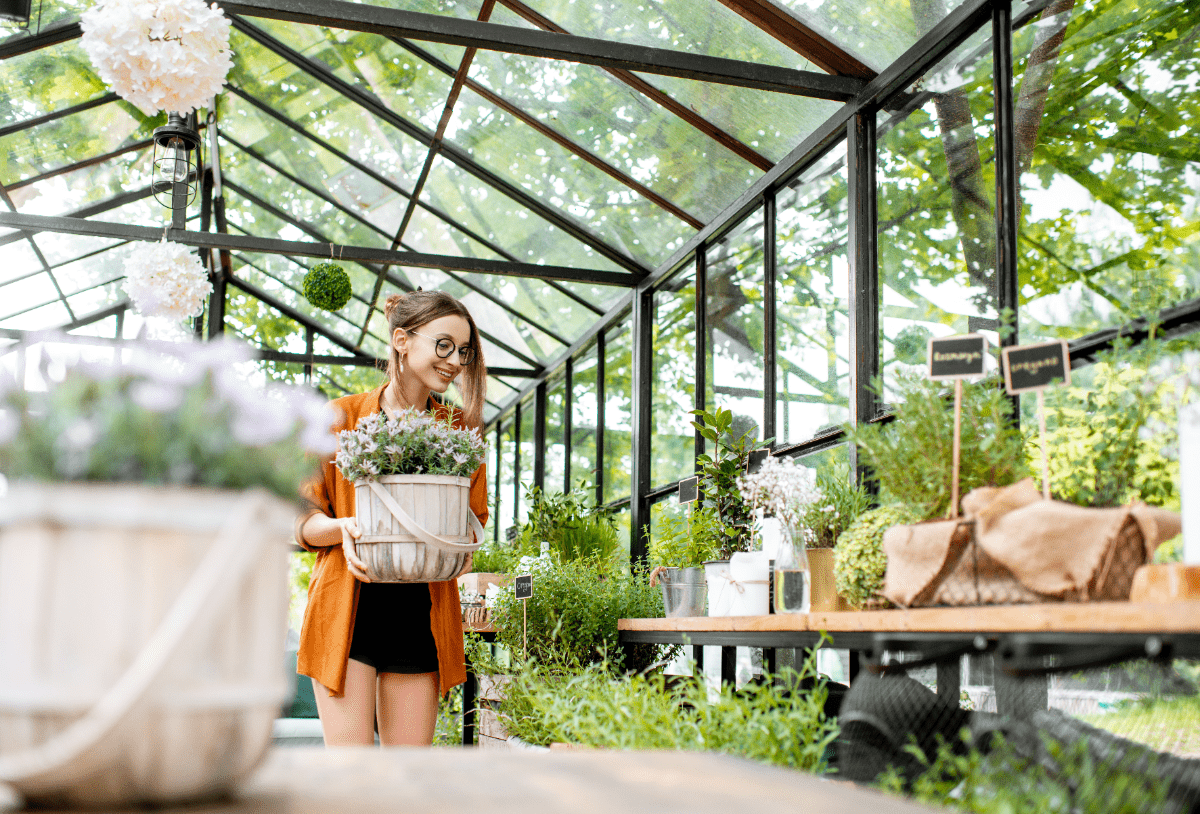
When planning for a new greenhouse, several key considerations can help you make the most of this valuable addition to your garden.
First and foremost, the size of the greenhouse is crucial. It is a common occurrence for people to wish for something larger after construction so be sure to opt for the largest one that fits both your budget and available space.
Cultivar can help you plan for a more spacious greenhouse which allows scope for both your plants and your enthusiasm to grow.
Does a greenhouse require planning permission?
In most cases in the UK, planning permission is not required to build a greenhouse.
There are a few exceptions to this, in specific circumstances which include: if a greenhouse is in your front garden and therefore visible from the street or if your property is a listed building or located in a conservation area.
Additionally, you’d also need planning permission if the greenhouse exceeded the height of 2.5m (8 feet) and was within 2 metres of your property boundary, or if the total area of garden buildings exceeded 50% of your garden space. The latter could include your greenhouse and any other outside buildings including shed, garden office or garden room.
If you think your greenhouse could fit into any of the mentioned categories, it’s always best to check with the local planning authority before starting on the project. Especially if the greenhouse has unique characteristics, or is in a designated area.
The local authority will be able to provide guidance tailored directly to your specific greenhouse. Make sure you have all relevant documents and plans to pass over as if planning permission is required, these will be needed to assess your case.
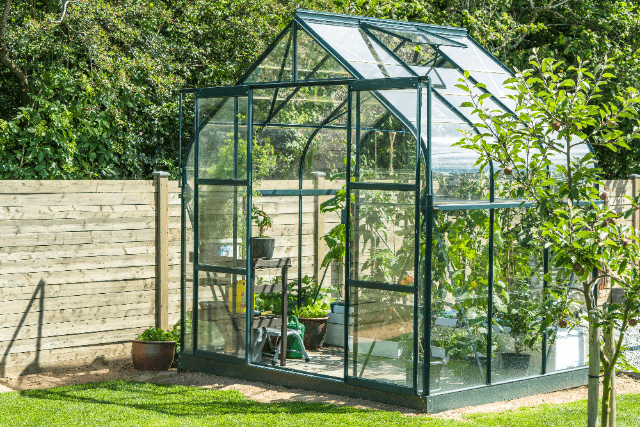
Photo: Adobe Stock
What materials are best to use for a greenhouse?
Greenhouses come in a range of styles from your traditional Victorian greenhouses to something a little more up-to-date.
Materials for the base
There are generally only two options to consider, the first being concrete which provides a solid, durable base which can help with insulation and drainage. This is ideal for a larger greenhouse.
On the other hand, gravel is another contender for the base of a greenhouse. Like concrete, gravel offers good drainage and can be used with concrete to create a flooring base.
Materials for the frame
Aluminium: Highly durable and resistant to corrosion, this is seen as the top choice for a greenhouse frame. It’s also easy to work with as it’s lightweight and can withstand different weather. So, it’s ideal for the snow and ice a lot of us have experienced this year so far.
Wood: Wood that is pressure-treated is also popular for greenhouse frames. This is due to it’s stylish look and easy use. It also blends well in gardens that often have other wooden framed buildings, such as sheds and summer houses. However, it does require more maintenance to help prevent wood rot and damage from bugs.
Galvanized steel: As a strong, resistant to rust material, this is ideal for colder climates which parts of the UK can sometimes be. However, it can also be prone to corrosion in humid environments unless properly looked after.
Covering materials
After you’ve decided what the frame is being made out of, it’s time to consider the covering materials for your greenhouse. These will keep it well insulated and light transmission, but you need to be sure to select the right one for your greenhouse.
Polycarbonate panels: A great alternative to glass, these provide good insulation and light transmission whilst being less prone to breakage. They are available in single or double wall options which can enhance the insulation on your greenhouse.
Glass: While this can be aesthetically pleasing and offer excellent light transmission, glass can be fragile and heavy. It is recommended to have double-paned tempered glass for a greenhouse. This is to ensure you have the right levels of insulation and durability.
Polyethylene plastic: A cost-effective option for a greenhouse covering. But, it only lasts around 1-3 years before needing to be replaced due to UV exposure. This means it’s better for a short term project or as a temporary fix before ultimately changing to a different material within 3 years.
What is the best location for a greenhouse?
When considering where your greenhouse should be in your garden, you need to think about the following.
Sunlight exposure
Ideally, your greenhouse needs to sit on the south or southeast side of your property in order to maximise its sunlight exposure. This is especially important during the winter months when it’s limited anyway.
Similarly, the ridge of the greenhouse should run from east to west to give it optimal light, this will also help with morning warming to keep your plants nice and warm.
Shelter
Your greenhouse will also need to be sheltered from the wind where possible, as this will help to improve the efficiency of the greenhouse and to help maintain the temperature within.
Although, it must also need to be at least 2 metres away from any buildings or trees to avoid any accidents from the aforementioned wind. But also, to avoid issues with shade and shadows and to ensure full sunlight for the greenhouse to ensure healthy plant growth.
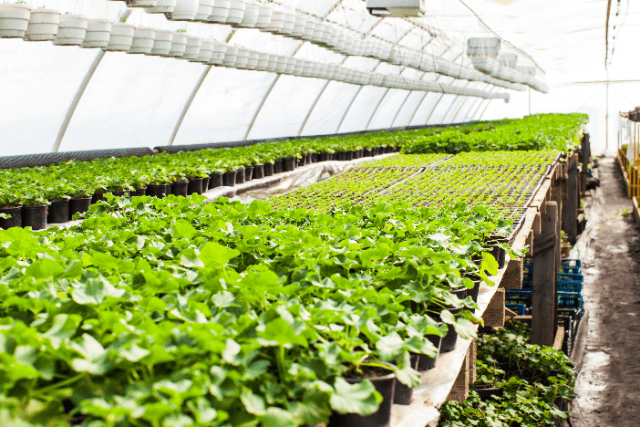
Photo: Adobe Stock
What do I need to kit out my greenhouse?
Investing in accessories is another aspect of greenhouse planning. Shelving and staging are essential for nurturing young seeds and seedlings.
Once you’ve considered whether you need planning permission, where the greenhouse will go, and the materials it will be built from, the next thing is to start kitting it out.
We’ve compiled a list of some of the basics to begin kitting out your greenhouse.
Containers
These are pots, trays or beds for getting started growing your plants. It’s important to make sure you have a wide range of different sizes so you have the best options for different types of plants, from seed starting to growing specimens.
Shelves and benches
These will line the inner walls of your greenhouse and can help to keep the place organised, and supporting all of your plant life.
Gardening tools
If you don’t already have them, hand trowels, rakes and gardening gloves are all essential for taking good care of your new plants within your greenhouse. Stocking up is a must.
Pest control
As already mentioned, in many greenhouses bugs and insects can prove an issue, so ensure you have plenty of pest control methods and supplies ready to attack any unwanted lodgers within the greenhouse.
Shade covers
Protecting certain plants from direct sunlight is really important, as not all of them love the full exposure. Shade covers can help to limit it for those plants that prefer a less bright existence.
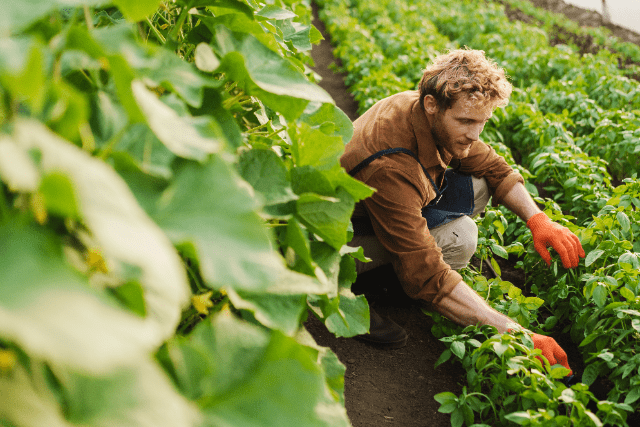
Photo: Adobe Stock
A bespoke mindset
How do you envision your greenhouse? Beyond its practical benefits, a greenhouse becomes a sanctuary for plant enthusiasts.
The ability to extend your gardening activities throughout the gardening calendar, regardless of the weather conditions, is a significant advantage. It’s a space to immerse yourself in the world of plants, fostering a deeper connection with nature.
Perhaps with a larger greenhouse, you might afford yourself the luxury of a seat but be mindful this will come at the cost of having less space for your precious plants.
Ultimately, the addition of a greenhouse to your garden is not just a practical decision but a transformative one, enriching the time you spend in the garden and providing you with the means to grow a whole new host of plants.
READ MORE